Car Service Problems Exposed in India: Why Warranty Claims Get Rejected
Ever felt like your car buying experience was less than ideal? You’re not alone. This article dives deep into the frustrating realities faced by Indian car buyers, backed by real data and customer stories. We’ll explore why common phrases like “please adjust” are so prevalent and what manufacturers are doing (or not doing) to address these issues.
The Customer Service Conundrum: “Please Adjust, Sir”
The phrase “please adjust” has become a recurring theme in Indian customer service, especially in the automotive sector. Whether it’s a minor issue or a significant defect, customers are often asked to be patient and accommodating. This is in stark contrast to how buyers would approach a dealership if they wanted to negotiate a price reduction or take delivery of a vehicle without full payment. The expectation from customers is a seamless experience, especially after investing a significant amount of money in their vehicle.
Decoding the Complaint Data
Recent financial year data reveals a significant number of customer complaints across major automotive manufacturers. Mahindra reported nearly a lakh complaints, encompassing sales and service issues across their diverse product range, including passenger vehicles, commercial vehicles, and tractors. While most were addressed, the sheer volume is noteworthy. Maruti Suzuki, known for its service quality, still registered over 19,000 complaints, with a small fraction remaining unresolved. Tata Motors, on the other hand, reports a decrease in complaints, highlighting a percentage-based metric of 18 complaints per 1000 vehicles, though their extensive service network handles a vast number of cars daily. This data underscores that customer service is a critical performance indicator for the entire automobile industry.
Real-Life Story
Beyond the statistics, individual customer experiences paint a stark picture. One case involved a customer who purchased a car for ₹25 lakhs, only to find water accumulating inside the cabin within three weeks. The issue was traced to the air conditioning’s drain pipe, and the car spent 18 days in the service center. The customer’s request for a replacement or refund was met with the company’s stance to resolve it under warranty, leaving the customer questioning the assurance of future reliability. Another incident highlighted a car stalling after driving in heavy rain, with the manufacturer attributing it to customer fault and rejecting the warranty claim. This raises critical questions about how warranty claims are handled and the transparency in explaining failures.
When “Customer Fault” Becomes the Default Answer
A common tactic employed by manufacturers is to attribute issues to “customer fault” or “misuse,” especially concerning water ingress or electrical systems. While manufacturers often have exclusions for water damage in their warranty policies, the lack of clear, evidence-based explanations for warranty rejections leaves customers frustrated. When a warranty is denied, customers deserve a clear understanding of *why* it failed, the source of the problem, and which specific warranty clause was invoked. This transparency is often missing, leading to a breakdown in trust.
Aftermarket Modifications and Warranty Woes
The installation of aftermarket accessories, from infotainment systems to sun films, often becomes a contentious point regarding warranty. Dealerships frequently threaten to void warranties for any external modifications. While some modifications, like improper wiring for an infotainment system, can indeed impact electrical warranties, the blanket statement of voiding the entire warranty is often seen as a scare tactic. The lack of clarity on which specific component’s warranty is affected and the reasoning behind it fuels customer distrust.
The Dealer-Manufacturer Blame Game: Who Owns the Problem?
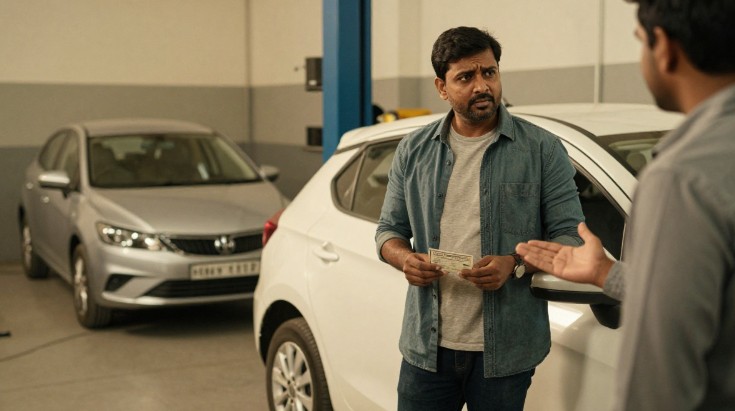
When a customer faces issues, they often find themselves caught in a cycle of blame between the dealership, the manufacturer, and third-party service providers. Dealerships might cite “company approval pending” for claims, while the company may redirect customers back to the dealer. Insurance claims get delayed by surveyor reports, and parts availability issues are a constant refrain. This lack of a single point of accountability leaves customers feeling helpless and unheard, with no one truly owning their problem.
The Urgent Need for Accountability and Transparency
The current system often leaves customers feeling like they need to be experts in consumer law and automotive engineering to get their issues resolved. The lack of clear documentation, diagnostic reports, and transparent communication from manufacturers and dealerships exacerbates the problem. When a customer reports a rattle or a strange noise, they are often met with vague responses like “it’s common” or “that’s how this model is.” This dismissive attitude erodes customer confidence and highlights a systemic issue.
More:
Maruti Dzire 5 Star Safety Rating: What Does It Really Mean?