
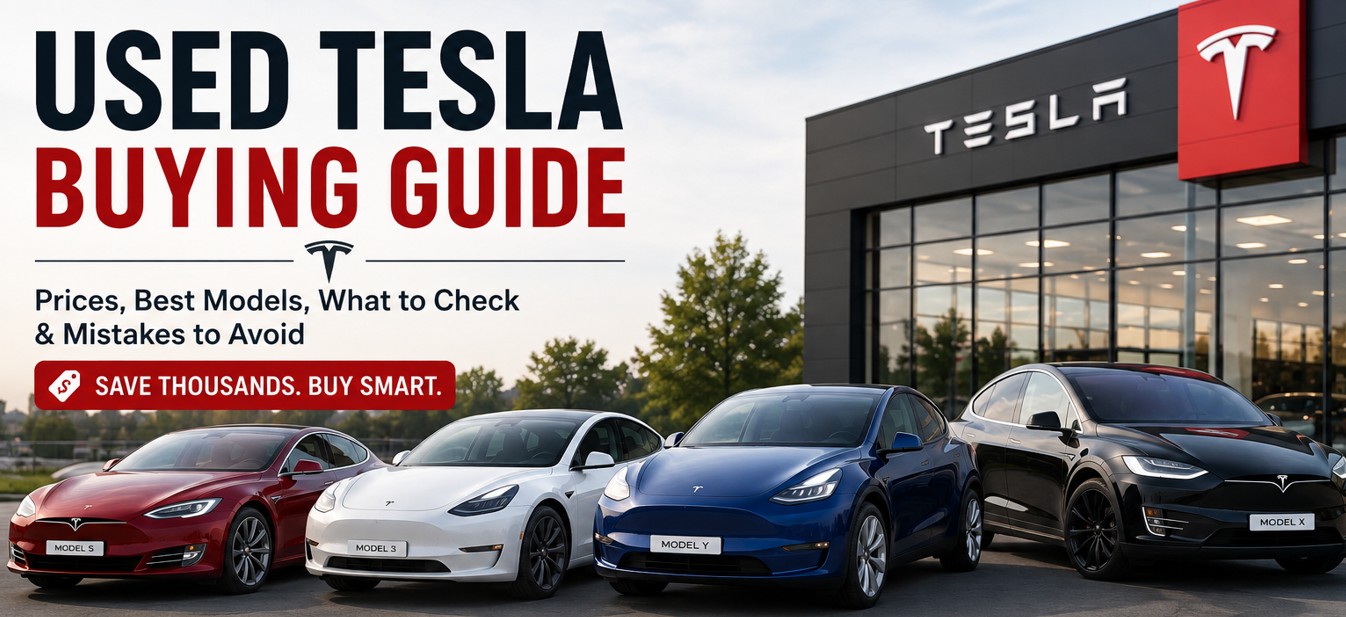
Buying a Used Tesla for Sale? Check This Before You Pay
A new Tesla is a big check to write. A used one gets you into a Model 3 or Model Y for thousands less. Sometimes with most of the car’s useful life still ahead of it. Buying a used Tesla for sale isn’t like buying a used Honda. There’s no…
A new Tesla is a big check to write. A used one gets you into a Model 3 or Model Y for thousands less. Sometimes with most of the car’s useful life still ahead of it.
Buying a used Tesla for sale isn’t like buying a used Honda. There’s no engine to listen to, no timing belt to worry about, and no dealership haggling in the traditional sense. You’re evaluating battery health, software eligibility, Autopilot hardware versions, and a resale market that moves fast.
Here’s what you actually need before you buy: real costs in the US and Europe right now, which model fits your budget and your life, how to check battery and software health before you hand over any money, and the mistakes that trip up first-time buyers. By the end, you’ll know what to look for. And what to walk away from.
How much does a used Tesla for sale cost in 2026?
Used Tesla prices in the US run from about $18,000 for an older Model 3 with higher mileage to $45,000+ for a low-mileage Model X or a recent Model Y. In Europe, expect roughly €20,000 to €50,000, depending on the model, battery size, and local taxes.
Tesla’s pricing has been unusually volatile compared to other automakers. Frequent price cuts on new inventory push used values down fast, and that’s good news for you as a buyer. A two- or three-year-old Tesla often depreciates quicker than a comparable gas-powered luxury car. More car for your money.
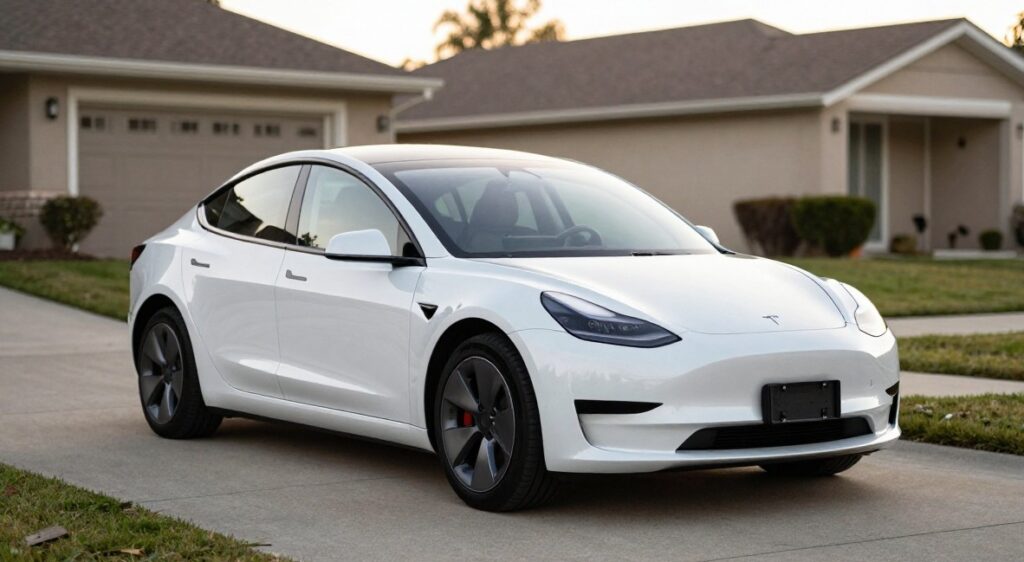
| Model | Typical used price (US) | Typical used price (Europe) | Best for |
| Model 3 | $18,000–$32,000 | €19,000–€34,000 | Daily commuting, first EV buyers |
| Model Y | $24,000–$38,000 | €24,000–€40,000 | Families, cargo space |
| Model S | $28,000–$50,000 | €30,000–€55,000 | Long-range comfort, performance |
| Model X | $32,000–$55,000 | €35,000–€60,000 | Larger families, towing |
Prices swing based on trim (Standard Range, Long Range, Performance), battery chemistry, and whether the car qualifies for regional EV incentives. Which brings up something worth checking before you assume you’re getting a deal.
Does a used Tesla for sale qualify for tax credits?
In the US, a used EV, including plenty of Tesla models, can qualify for a federal used clean vehicle credit if the car is at least two model years old, sold through a licensed dealer, and priced under the program’s cap. Rules and caps shift, so confirm current eligibility with the IRS or your dealer. Don’t just assume the discount applies.
In Europe, incentive schemes vary by country and change often. France, Germany, and the Netherlands have each run different used-EV rebate and tax programs at different points. Check your national transport ministry’s current rules. Last year’s numbers won’t help you here.
Which used Tesla for sale should you buy?
Not every Tesla fits every buyer. Here’s the honest breakdown.
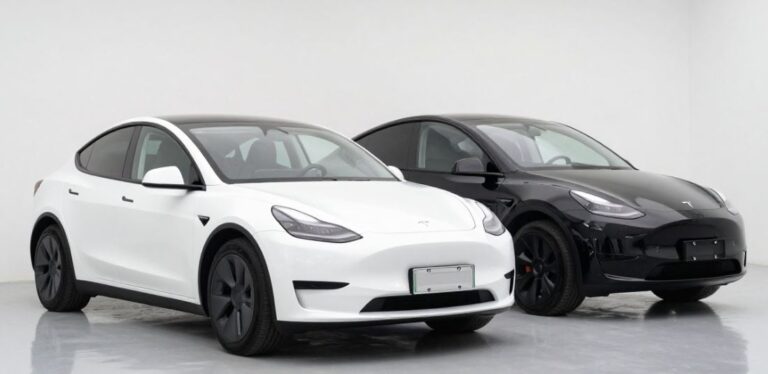
Model 3, best for solo commuters and first-time EV owners. It’s the cheapest entry point, has the largest used inventory (more room to negotiate), and costs less to insure than the S or X. Rear-seat space is tight, though, especially if you’re tall.
Model Y, best for small families. Think of it as a taller, more practical Model 3 with a hatchback and real cargo room. It’s the best-selling EV globally, so used stock is everywhere and parts are easy to find.
Model S, best for long-distance comfort. Bigger battery, more luxury touches, smoother highway ride. Older Model S units, pre-2021 especially, can rack up maintenance costs on air suspension parts. Budget for that.
Model X, best for towing and large families. The falcon-wing doors look great in a driveway. They can also get expensive to repair if the door sensors fail. Buy from a seller who can show service history on the doors specifically.
If budget is your main constraint, a used Model 3 Standard Range is usually the sweet spot. Low running costs, huge parts availability, and the simplest hardware on the used market.Checking battery health on a used Tesla for sale
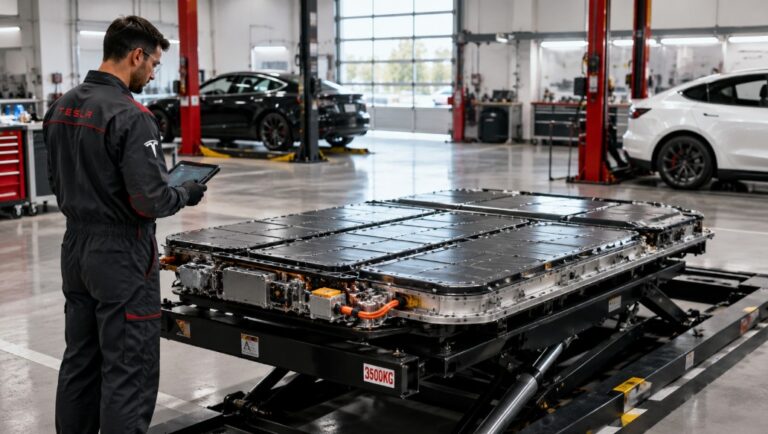
This is where used Tesla shopping looks nothing like buying a used gas car. There’s no oil to check. There’s a battery, and it’s the single most expensive thing to replace.
Here’s how to check it:
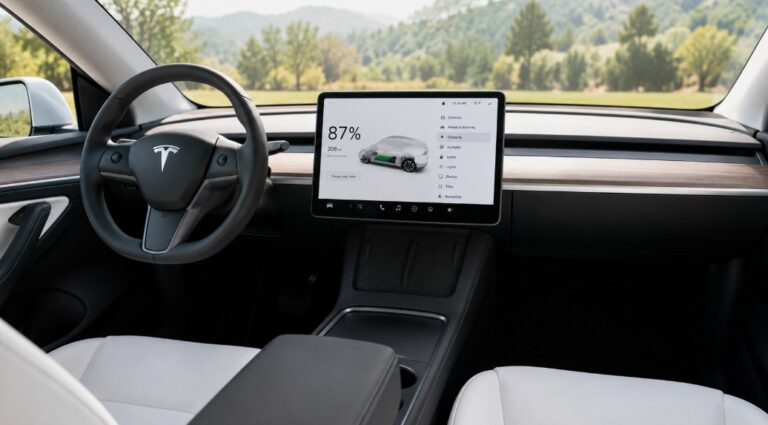
- Ask for a full charge screenshot showing the rated range at 100%. Compare it to the car’s original EPA or WLTP rated range when new.
- A healthy battery in a 3-5 year old Tesla usually retains 90-95% of its original range.
- Below 85% retained range on a car under 5 years old? That’s worth negotiating on, or at least asking why.
- Ask for the Tesla app’s battery degradation history if the seller still has account access. Or get a Tesla service center to pull a battery health report during a pre-purchase inspection.
One mistake buyers make constantly: judging battery health only by the number on the dashboard, without comparing it to the car’s original rated range. A “250 miles” reading tells you nothing on its own. You need to know what the car was rated at when it left the factory.
Autopilot and FSD on a used Tesla for sale: what transfers and what doesn’t
This trips up more buyers than anything else on this list.
Basic Autopilot (lane keeping, traffic-aware cruise control) is tied to the vehicle. It transfers with the car, no questions asked.
Full Self-Driving software is a different story. If the previous owner purchased FSD, it doesn’t automatically transfer in most cases. Tesla has changed this policy more than once, so confirm directly with Tesla or the seller whether FSD transfers with this specific VIN before you factor it into the price at all.
Hardware version matters too. Cars built at different points shipped with different camera and computer hardware, commonly called HW3, HW4, and so on. If FSD capability matters to you, find out which hardware generation the car has. It affects what software the car can even run down the line.
Never pay a premium for “FSD included” until you’ve confirmed, in writing, that the software license is tied to the VIN and will transfer to your account after purchase.
Where to find a used Tesla for sale (and what to avoid)
If you’re looking for a used Tesla for sale, Tesla’s official pre-owned program lets buyers browse available vehicles and check details such as model, price, mileage, and warranty coverage. Tesla Pre-Owned VehiclesTesla Certified Pre-Owned. Bought straight through Tesla’s own used inventory. Comes with a limited warranty and a multi-point inspection, usually at a slight premium over private sales.
Private sales. Often the cheapest route, but you’re on the hook for verifying everything yourself: battery health, accident history, outstanding finance, software transfer, all of it.
Third-party dealerships. Convenient, sometimes negotiable. Inspect the car just as carefully as you would in a private sale. A lot of sales staff still don’t understand EV-specific issues like degradation or charging port condition.
A few red flags that should send you walking:
- Seller can’t produce a vehicle history report (Carfax or AutoCheck in the US, the equivalent national registers in Europe).
- Charge port door doesn’t close cleanly, or shows corrosion. That can point to water exposure or heavy DC fast charging in rough conditions.
- Seller gets vague about whether the car had a salvage or flood title. Tesla battery packs don’t handle water damage well.
- No recent software update history in the car’s settings menu. Could mean connectivity problems, or a locked account.
Ownership costs after buying a used Tesla for sale
Buying the car is step one. Here’s what ongoing ownership actually looks like.
Insurance: Tesla models, especially the S and X, can carry higher premiums because of expensive body panels and sensor-heavy repairs. Get a quote before you buy. Not after.
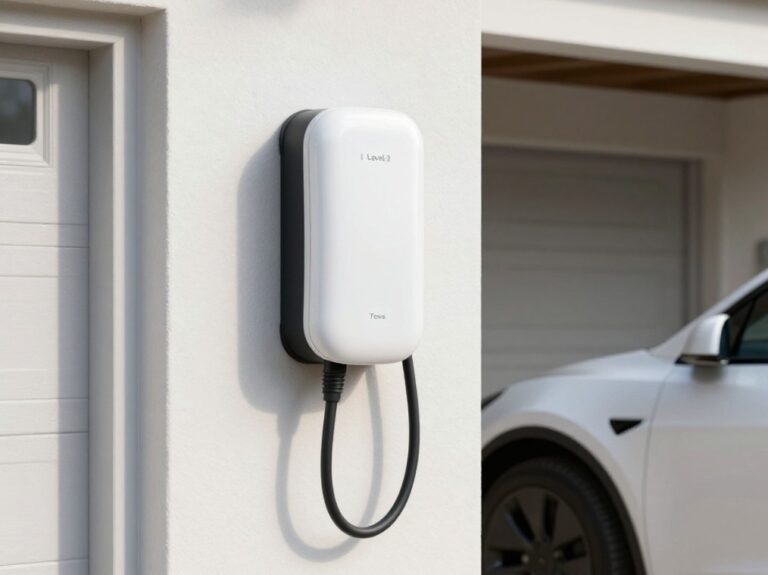
Home charging: A Level 2 home charger install in the US usually runs $500 to $1,500, depending on your electrical panel. In Europe, a 7kW wallbox installation runs roughly €800 to €1,500, depending on the country and whether you need a panel upgrade.
Tires: Tesla’s instant torque chews through tires faster than a comparable gas car. Plan on replacing them every 20,000 to 30,000 miles.
Software subscriptions: Some features, like premium connectivity or FSD, might need an ongoing subscription instead of a one-time purchase. Check current terms. Don’t assume a feature is permanently included just because a previous owner had it.
Final verdict
A used Tesla can be one of the smartest EV purchases you’ll make, if you check the right things first. Focus on three: battery health relative to the car’s original rated range, whether Autopilot or FSD software actually transfers with the VIN, and a clean vehicle history free of flood or salvage flags.
Do that homework and a used Tesla for sale delivers most of the new-car experience for a fraction of the price. Skip it, and you might inherit someone else’s expensive problem.
Ready to start shopping? Compare Tesla’s own certified inventory alongside private and dealer listings near you, and always request a pre-purchase inspection before you commit.
More:
Tesla Price in USA vs Europe: What Every Model Actually Costs in 2026
Insurance on a Tesla Model 3: What It Actually Costs in 2026
How Long Do Car Batteries Last? 5 Honest Truths I Learned the Hard Way
u003cstrongu003eIs it worth buying a used Tesla?u003c/strongu003e
Yes, for most buyers. You get most of the technology and performance of a new Tesla for meaningfully less money, especially once the car is 2-4 years old and past the steepest part of the depreciation curve. Verify battery health and software eligibility first.
u003cstrongu003eWhat is the average lifespan of a Tesla battery?u003c/strongu003e
Most Tesla batteries are built to hold onto the majority of their capacity well past 200,000 miles. Real-world results depend on climate, charging habits, and how often the battery got fast-charged versus charged at home.
u003cstrongu003eDo used Tesla come with a warranty?u003c/strongu003e
Depends on the car’s age and mileage. Tesla’s battery and drive unit warranty is tied to the vehicle, typically 8 years with a mileage cap that varies by model, and it transfers to new owners as long as the original terms haven’t run out.
u003cstrongu003eCan I negotiate the price of a used Tesla for sale?u003c/strongu003e
Yes, especially with private sellers and third-party dealers. Tesla’s own Certified Pre-Owned pricing tends to be firmer, since it’s set centrally rather than negotiated by a local sales team.
u003cstrongu003eAre used Tesla cheaper in Europe or the US?u003c/strongu003e
Depends on the country and currency swings, but Europe often runs higher on used prices because of VAT and registration taxes. The US market benefits from a bigger used-EV supply and, in some cases, used clean vehicle tax credit

4 Comments