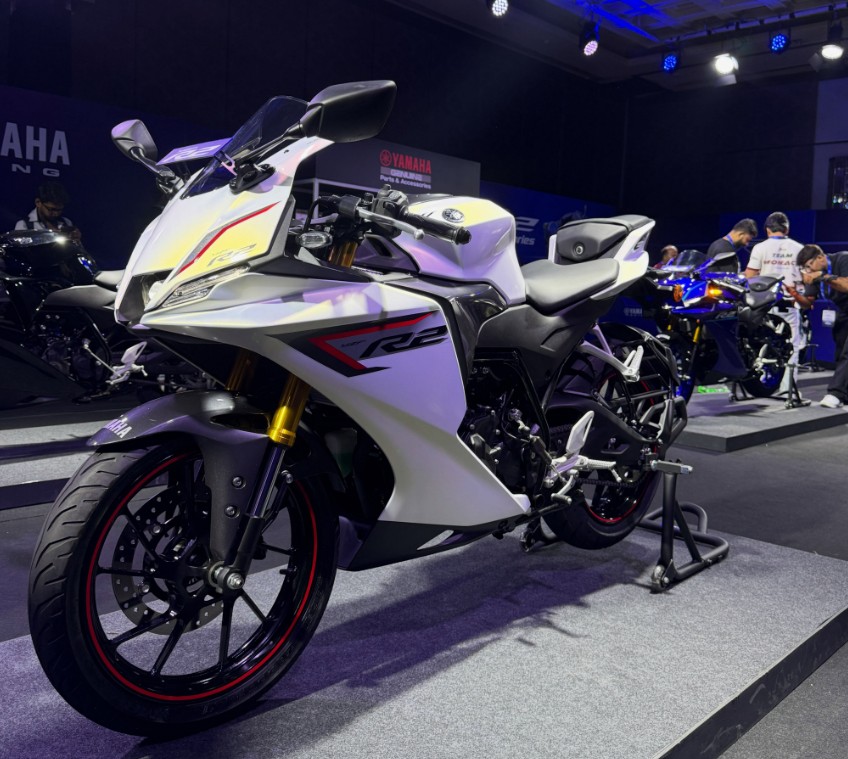
2026 Yamaha R2 Review: Design and Performance
Yamaha has unleashed its latest creation, the R2, and it’s turning heads with its stunning aesthetics and significant upgrades. This Review will guide you through every detail of this exciting new machine, from its revamped design to its performance enhancements and pricing across different variants. Get ready to discover what makes the R2 a compelling, albeit premium, addition to the sport bike market.
Yamaha R2 Design
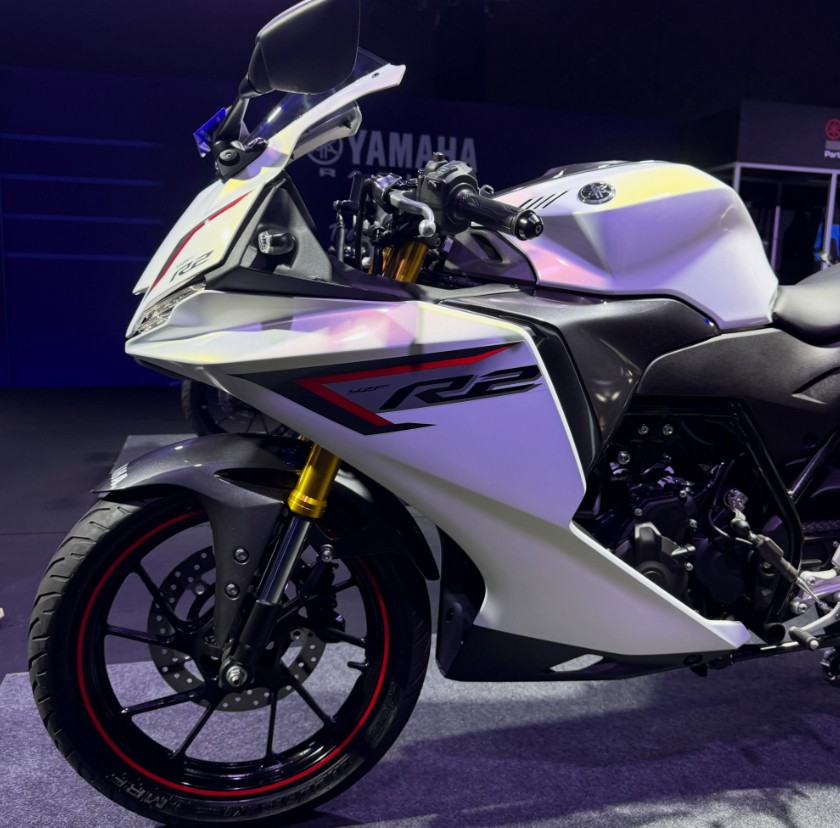
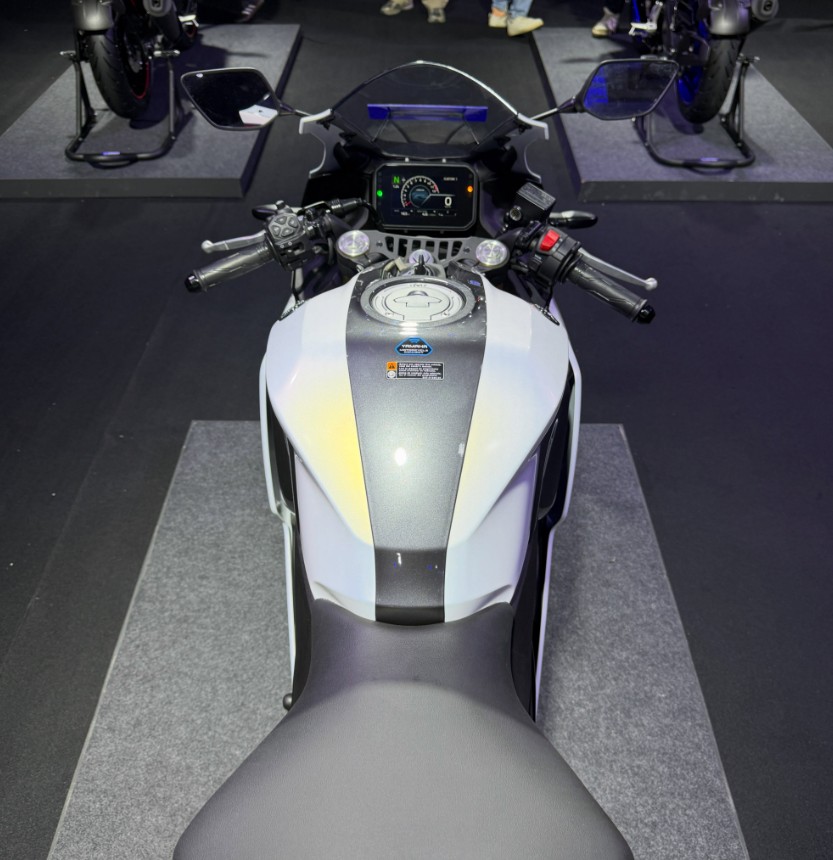
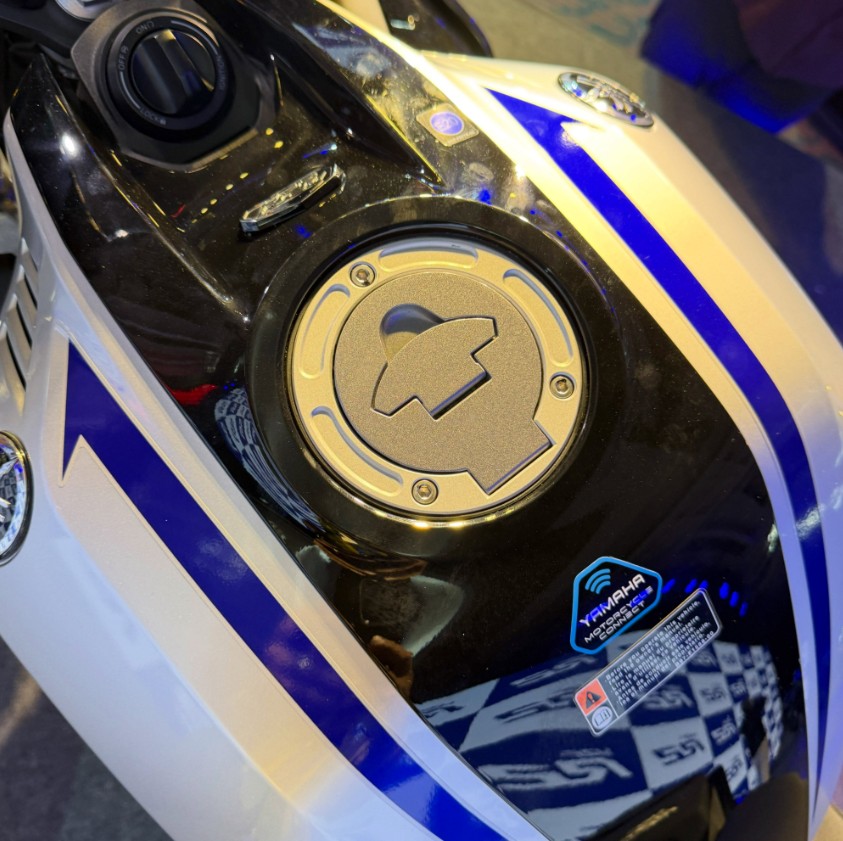
While the Yamaha R2 might appear similar to its predecessor at first glance, a closer inspection reveals a completely redesigned motorcycle. The front fascia boasts a sharp and aggressive look, featuring dual DRLs on each side that flank the central projector headlamps. This updated design language extends across the motorcycle, giving it a more extended and aerodynamic profile. The attention to detail is evident, with a well-sculpted front end that promises both style and function, even in the midst of a bustling display of multiple color options, with blue consistently standing out as a crowd favorite.
The overall fit and finish on the R2 exude a premium feel, reflecting Yamaha’s commitment to quality. Even the key fob, while not a “wave piece,” offers a decent tactile experience. The motorcycle’s design prioritizes a sporty stance, and the exhaust system, while compact, hints at the performance capabilities within. The visual appeal is undeniable, making the R2 a motorcycle that commands attention wherever it goes, a testament to Yamaha’s design prowess in the competitive sportbike segment.
Engine, Performance, and New Technologies
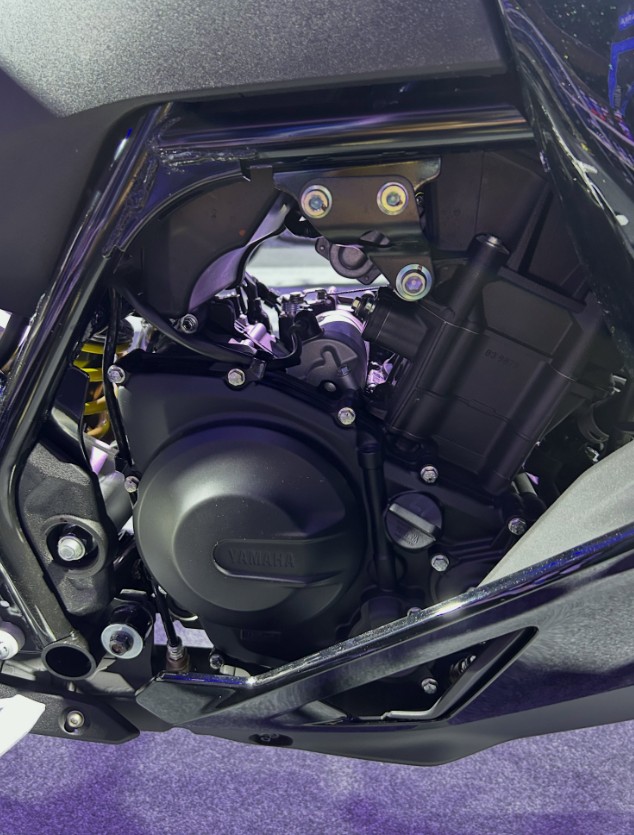
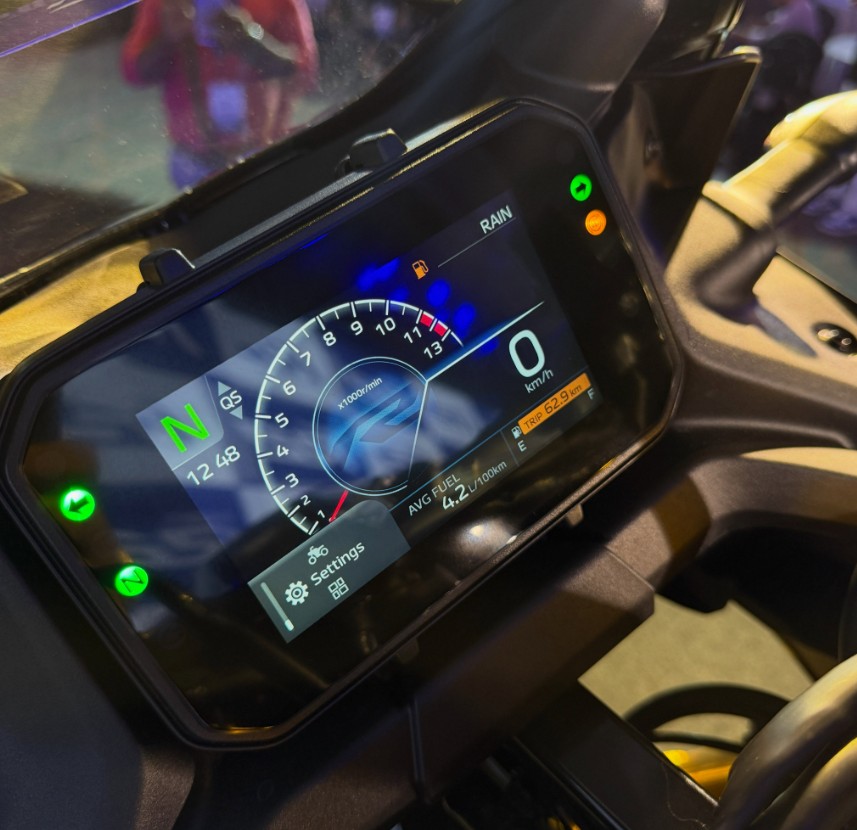
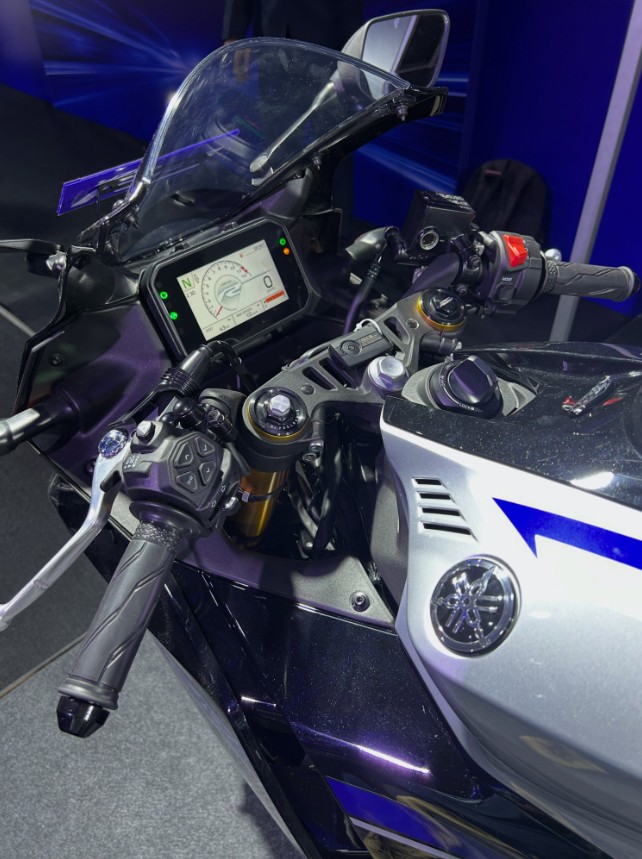
Beneath its striking exterior, the Yamaha R2 is a fundamentally new machine, boasting a completely revised engine and chassis. The VVA (Variable Valve Actuation) system has been removed, but this change is accompanied by numerous other enhancements that contribute to its improved performance. The liquid-cooled, single-cylinder engine is a powerhouse, producing an impressive 26.5 PS, positioning it as one of the highest-performing engines in its 200cc class. This significant power output, coupled with a new frame that is approximately 2.8 kg lighter than the previous generation, contributes to an overall motorcycle weight of around 149 kg.
The R2 also introduces a quick shifter for both upshifts and downshifts, a feature that is a first for this model and a significant upgrade for riders seeking a more engaging and seamless riding experience. This technology allows for rapid gear changes without the need to operate the clutch, enhancing both track performance and everyday usability. The engine’s development has focused on delivering exhilarating performance, and the numbers suggest the R2 is poised to offer a thrilling ride for enthusiasts..
Suspension, Brakes
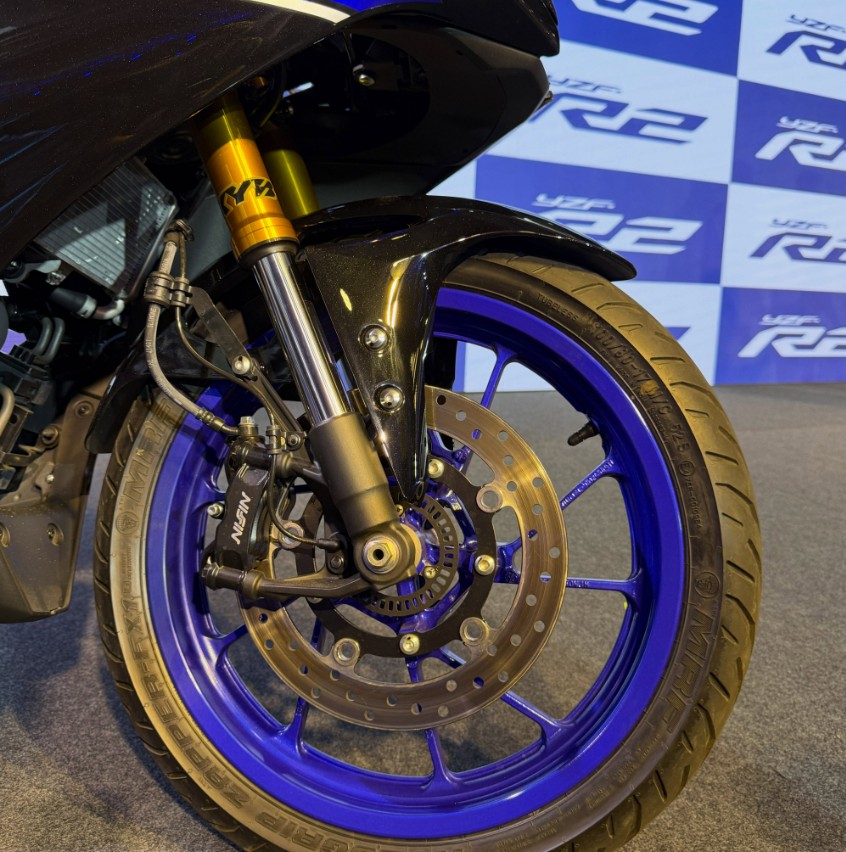
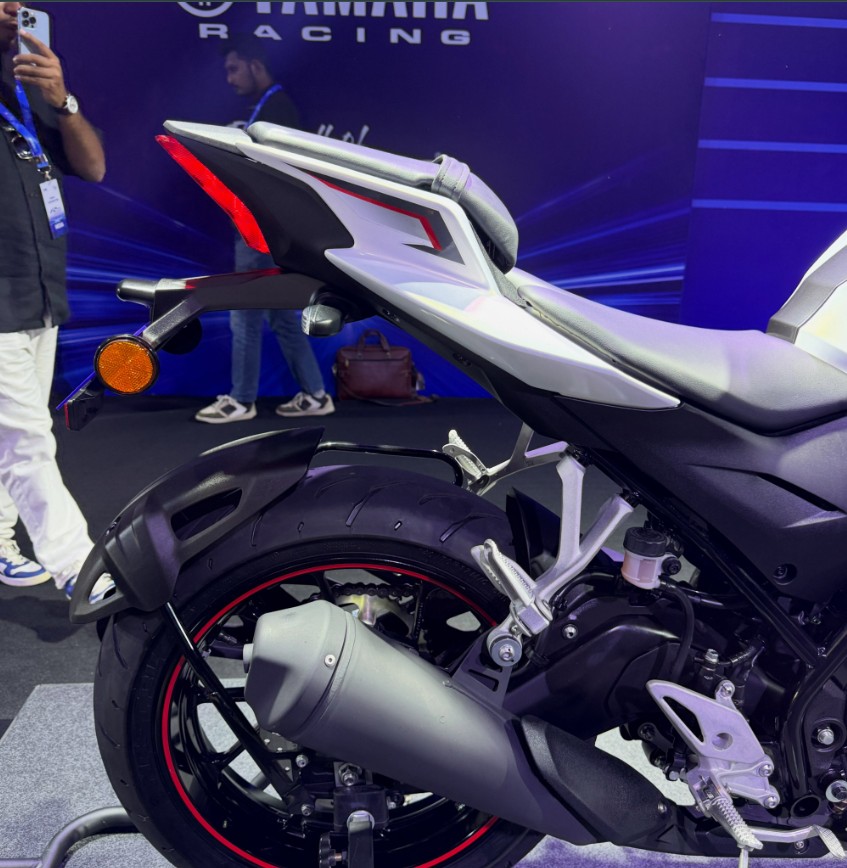
The Yamaha R2 prioritizes rider control and comfort through its advanced suspension and braking systems. The front end features a substantial 282 mm disc brake with calipers, providing ample stopping power. While the exact specifications of the calipers might vary across variants, the overall braking performance is expected to be robust, complementing the motorcycle’s sporty nature.
The suspension setup is a crucial element of the R2’s ride quality. The adjustable front suspension allows for pre-load adjustments, enabling riders to adapt the bike’s handling to different road conditions and riding styles. Similarly, the rear suspension also offers adjustability, further enhancing the motorcycle’s versatility. These features, combined with the motorcycle’s lightweight construction, contribute to a nimble and engaging riding experience, whether on the track or navigating city streets.
Yamaha R2 Diamond Frame: How It Affects Handling
One interesting aspect of the Yamaha R2 is its diamond-frame design, especially when compared with the perimeter frame used on the R15. While some riders may associate perimeter frames with sharper handling and greater rigidity, the frame layout alone does not determine how a motorcycle behaves on the road. Yamaha’s R3 is a good example of this, as its diamond-frame chassis has been used successfully in racing applications, where cornering stability and front-end feedback are important. The R2 is also expected to remain agile despite its slightly higher weight, with the commonly cited figures putting it around 149 kg compared with roughly 141 kg for the R15. In everyday riding, that difference may not feel as significant as it appears on paper. Ultimately, factors such as chassis tuning, suspension setup, weight distribution, tyres, steering geometry, and rider position all contribute to handling. For that reason, the R2’s diamond frame should not automatically be viewed as a disadvantage; its real-world cornering and steering feel will depend on how Yamaha has tuned the complete motorcycle.
Price
The Yamaha R2 enters the market with a price tag that reflects its premium features and performance capabilities. The base variant is positioned to be accessible, with pricing starting around ₹2,30,000. As you move up the variant ladder, the price increases, with the top-end model reaching approximately ₹2,53,000. This pricing strategy positions the R2 as a premium offering in its segment, appealing to riders who value advanced technology and performance.
Conclusion
The Yamaha R2 is a compelling package that blends aggressive styling with significant performance upgrades and modern technology. While its premium pricing might be a consideration, the comprehensive feature set, refined engine, and enhanced riding dynamics make it a strong contender for riders seeking a top-tier sport bike experience. Explore the different variants and color options to find the R2 that best suits your riding aspirations.
More: