Triumph Speed 400 Now has a 349cc Engine: Power, Mileage & Features
1.Triumph Speed 400 Overview
The Triumph Speed 400 is a retro/classic motorcycle from Triumph Motorcycles, with the 2026 model priced at a starting price of Rs. 2,34,302 in India. The bike is designed to combine classic styling with modern performance and everyday practicality. The 2026 Triumph Speed 400 is scheduled to launch in India on April 6, 2026, making it an appealing option for riders looking for a stylish and versatile motorcycle in the retro/classic segment.
This article reports bikes under 350cc attract 18% GST in India (Bharat), while bikes above 350cc attract 40%. It presents the lower tax rate as Triumph’s reason for adapting the 400cc engine for Indian buyers and keeping prices more accessible.
Table of Contents
2. About the Engine
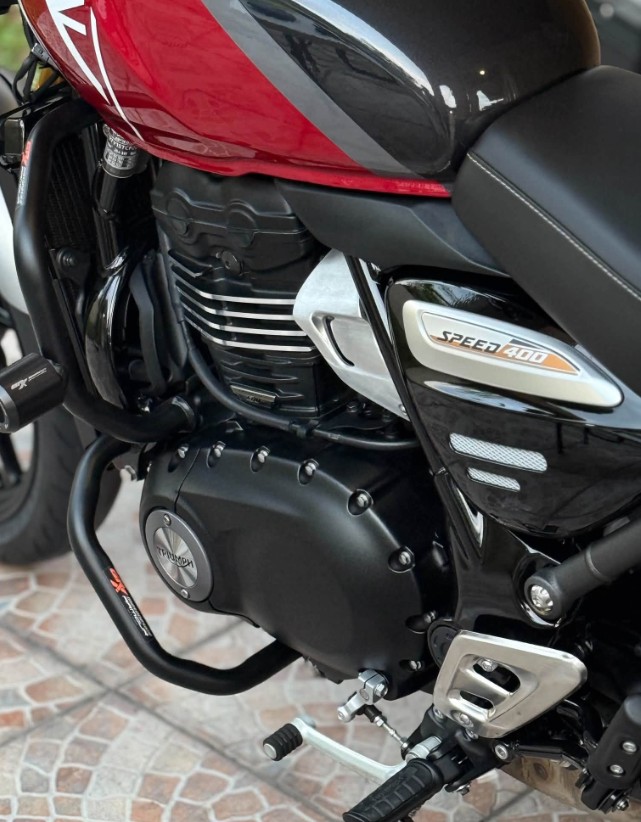
From my experience, the engine feels like a well-balanced package, especially for riders who enjoy a sporty single-cylinder character. It gets a liquid-cooled, 4-valve DOHC single-cylinder setup, with the Indian-spec version displacing 349 cc and producing 37 PS at 8,500 rpm and 32 Nm at 7,000 rpm. The 6-speed gearbox feels well matched to the engine, while the wet multi-plate assist and slipper clutch makes gear changes smoother and more controlled, particularly when riding aggressively. The global 398 cc version brings a stronger 37.5 Nm of torque, which should give it a more muscular feel.
The Triumph Speed 400 can feel quite warm during slow city rides. After riding for a few kilometres in heavy traffic, some riders may notice more heat around the legs. This can be especially noticeable when riding in shorts. In normal open-road riding, the heat is generally less noticeable.
3. Acceleration test in Each Gear
During my acceleration test, the bike felt strong and consistent through the gears. In 1st gear, I managed around 45 km/h, while 2nd gear reached 80 km/h and 3rd gear pushed up to 115 km/h. Moving into the higher gears, 4th reached around 130 km/h, 5th touched 145 km/h, and finally 6th gear topped out at around 158 km/h. What I liked was the way the bike kept building speed as I shifted up, with each gear giving enough room to enjoy the engine’s power. The 158 km/h top speed in 6th gear gives the bike a good highway performance, although actual speeds can vary depending on rider weight, wind, road conditions, and testing conditions.
4. Mileage and Fuel details
Coming to the braking performance, I found the Triumph Speed 400 to feel confident and well-controlled, especially when braking from higher speeds. When it comes to mileage and fuel efficiency, the bike delivers around 19–20 kmpl in city riding based on real-world tank-to-tank calculations, while highway mileage can reach approximately 22–23 kmpl with steady cruising. The dashboard may show 24–25 kmpl, but actual fuel efficiency depends on traffic, riding style, and road conditions.
Aggressive riding can bring mileage down to around 15 kmpl. It runs on petrol with a minimum recommended rating of 91 RON and gets a 13-litre fuel tank, with around 2–2.6 litres available as reserve. In India, the bike complies with the BS6 Phase 2/OBD2B emission standard, while international versions meet Euro 5 requirements. Based on the reported real-world mileage and tank capacity, I’d expect a practical full-tank range of roughly 250–290 km in typical riding, with the potential to go farther under favourable highway conditions. This makes the Speed 400 usable for daily commuting and weekend rides, although frequent refuelling may be necessary compared with more fuel-efficient motorcycles.
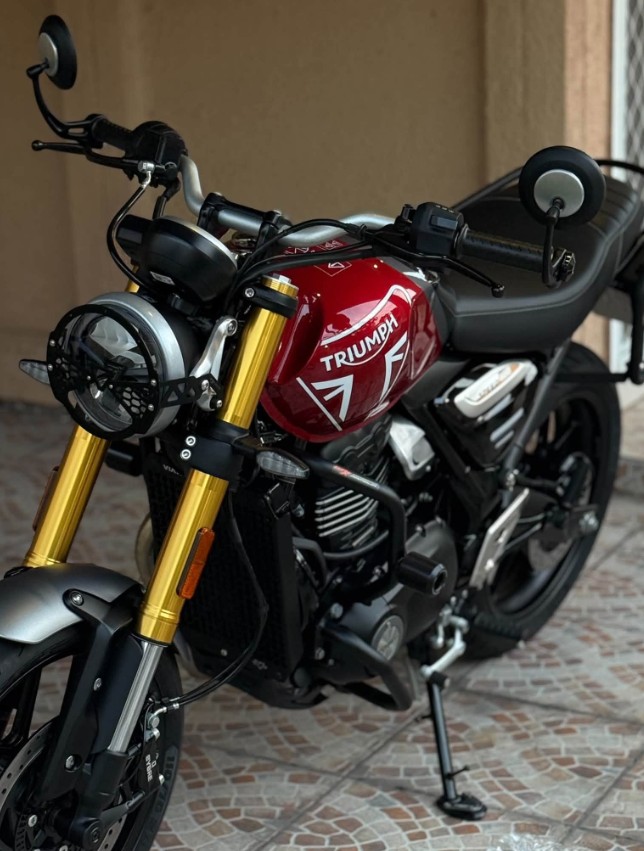
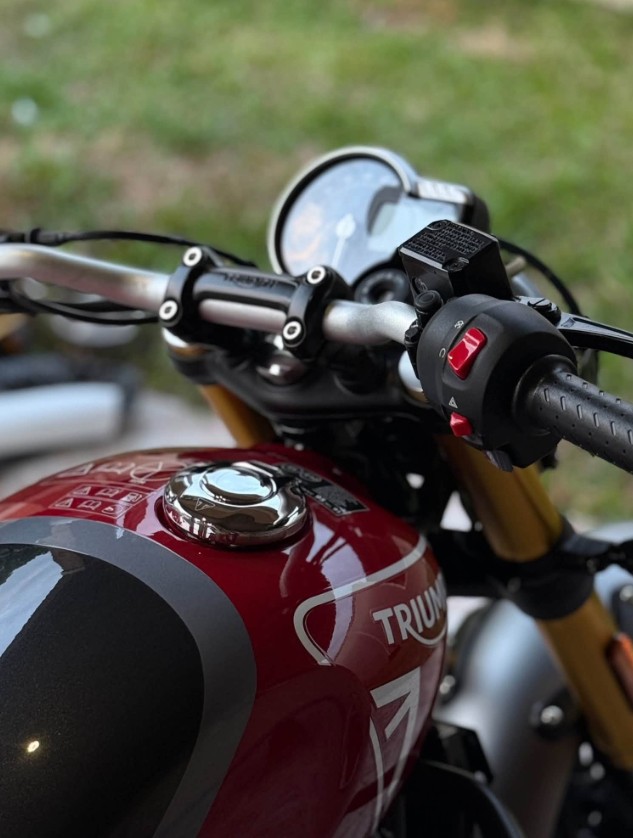
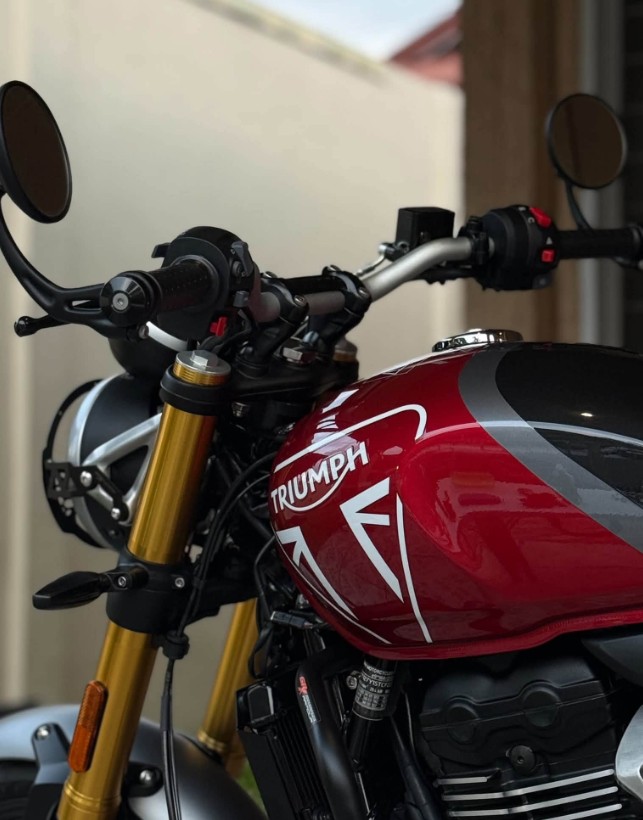
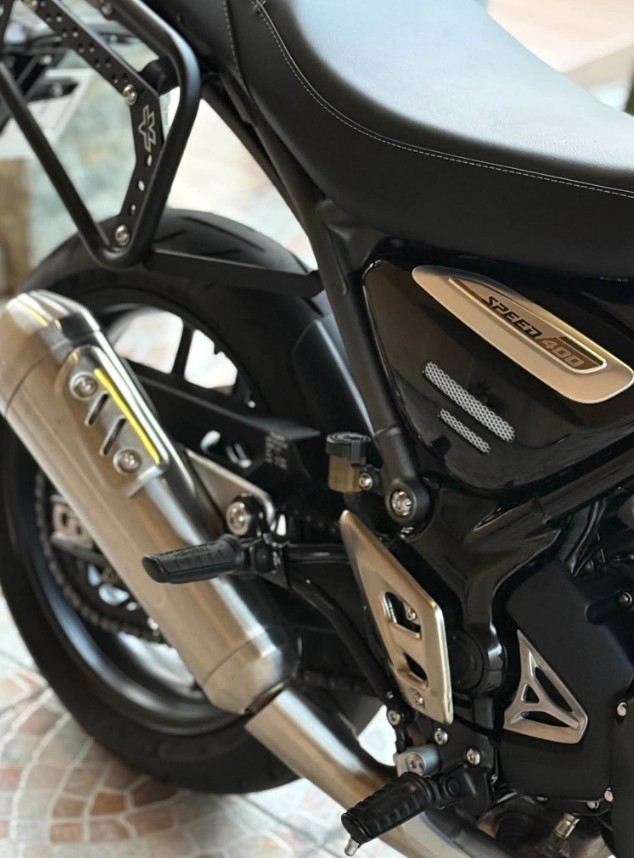
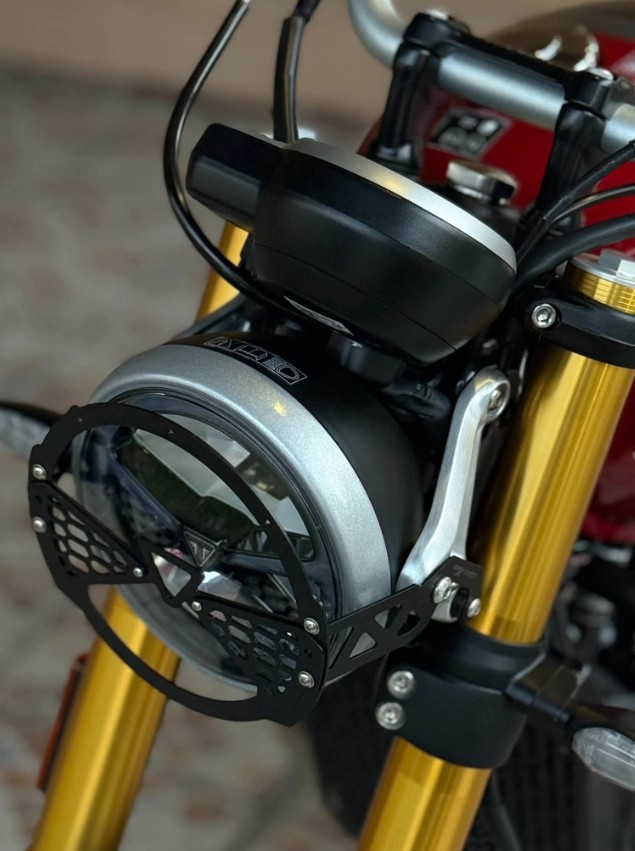
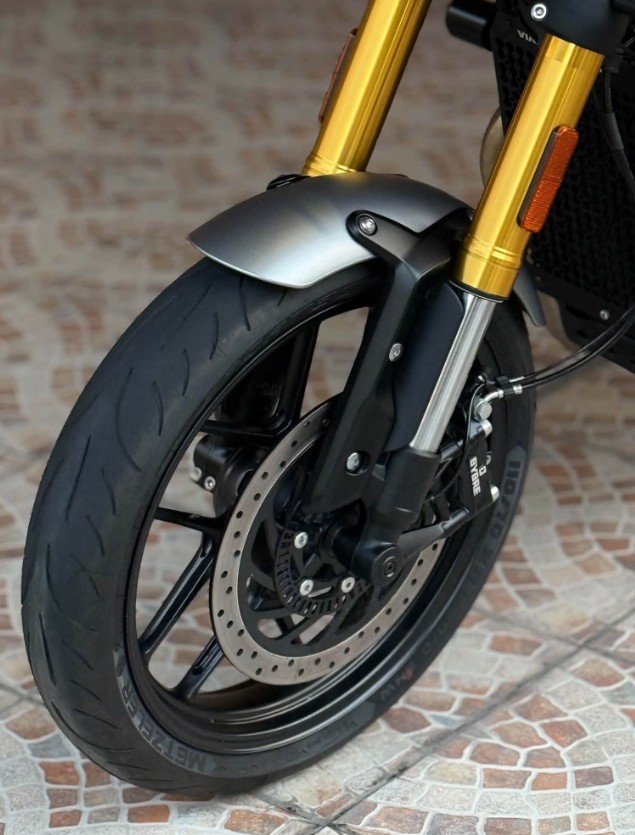
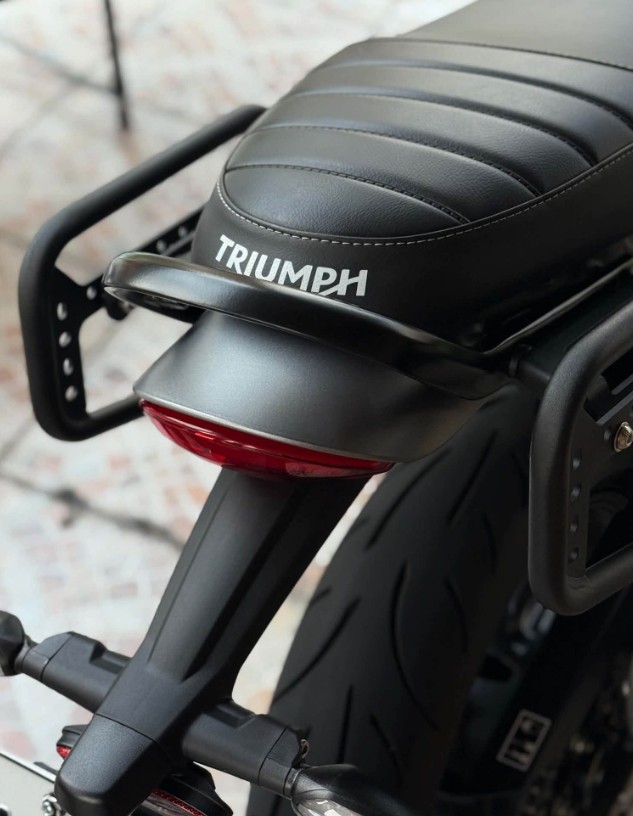
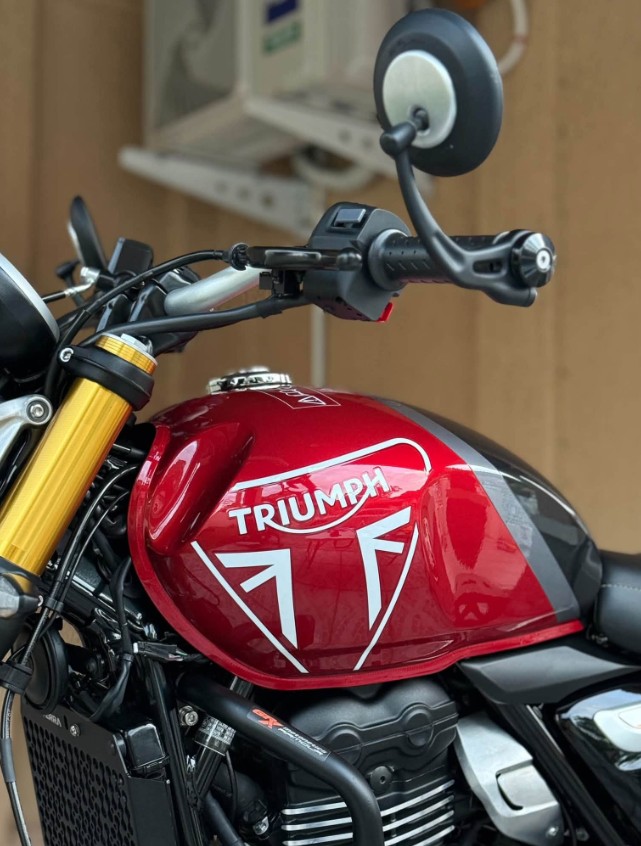
Triumph Speed 400 Images
5. Price
With an ex-showroom price of roughly ₹2.34 lakh, the Triumph Speed 400 sits in a competitive part of the 400cc motorcycle segment. Its on-road price depends on the location and applicable RTO and insurance charges, with the total typically falling between ₹2.65 lakh and ₹3.02 lakh.
6. Design & Build Quality
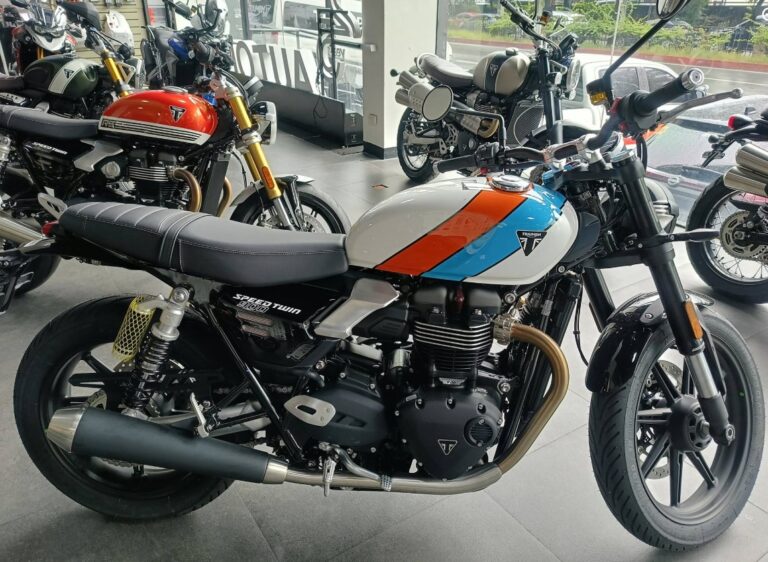
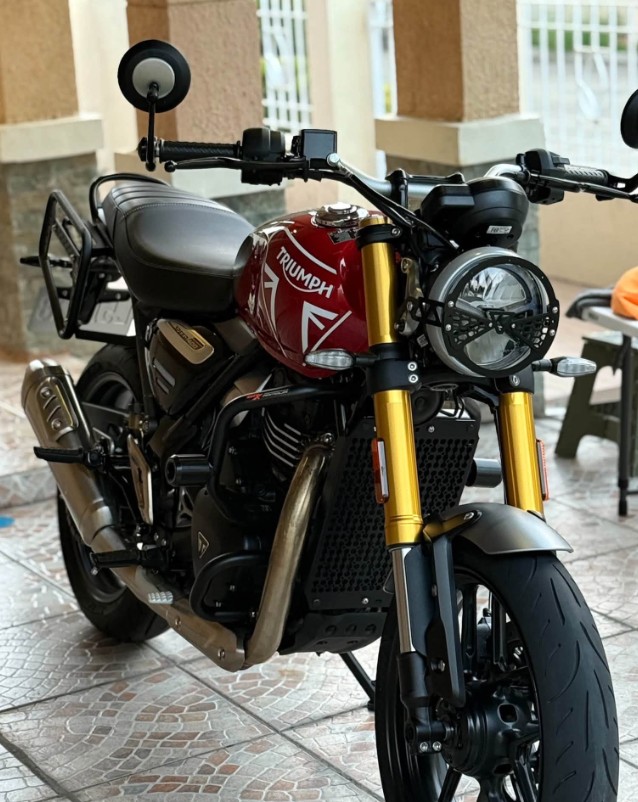
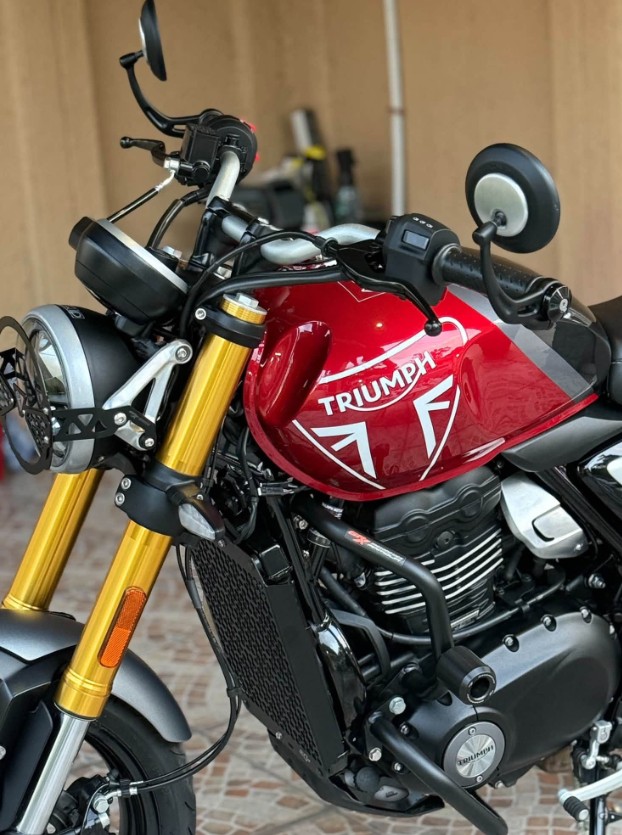
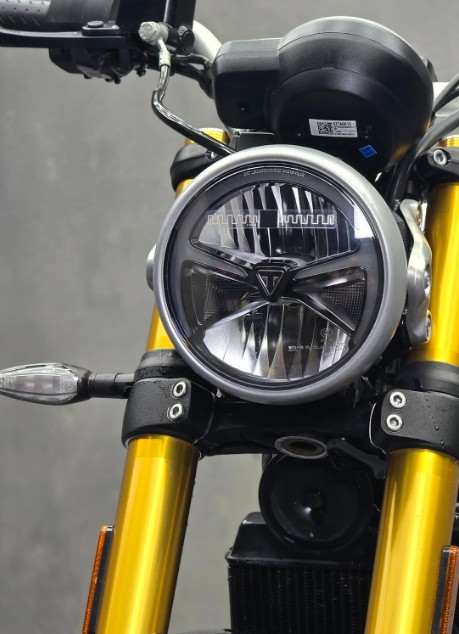
the Triumph Speed 400 to be a well-built and stylish modern-classic motorcycle. The round LED headlight, compact taillight, clean indicators, and sporty exhaust give it a premium look. With colour options like Carnival Red, Caspian Blue, Phantom Black, and Aluminium Silver, the Speed 400 offers a distinctive and attractive overall design.
I found the Triumph Speed 400 to feel solid and well-built. Most of the body components and exterior parts feel like metal rather than plastic, which gives the bike a sturdy and premium feel. The use of metal components is also reassuring in terms of durability, as plastic parts can be more prone to cracking if damaged. However, there are some areas where fibre or plastic components are used. Overall, the build quality feels impressive, although long-term durability and potential rusting issues are worth keeping an eye on, especially if the bike is frequently exposed to rain and moisture.
7. Brakes
Coming to the braking setup, the Triumph Speed 400 gets a 300 mm front disc with a ByBre four-piston radial calliper, along with standard ABS. At the rear, it gets a 230 mm disc brake. The bike also comes with Bosch dual-channel ABS as standard, which gives me extra confidence during sudden braking. It also gets switchable traction control, which helps control wheel spin, especially when riding on slippery or loose surfaces.
ByBre four-piston calliper is a brake component with four pistons that press the brake pads against the disc, giving the bike strong and smooth braking performance
7. Notable Safety Highlights provided in Triumph Speed 400
- Ride-by-Wire Throttle: An electronic throttle system without a mechanical cable, providing smoother acceleration, better throttle control, and improved efficiency
- Torque-Assist Clutch: A clutch system that reduces clutch-lever effort and provides smoother gear changes and better control
- All-LED Lighting: The Speed 400 uses LED lighting for the headlight, tail light, and turn indicators
- Engine Kill Switch: A switch that quickly turns off the engine without using the key.
- Hazard Warning Indicators: Makes all four turn indicators flash together to warn other road users when the bike is stopped or in an emergency.
Features We Missed on the Speed 400
- The Speed 400 does not offer selectable riding modes or cruise control. The bike keeps its electronics simple, focusing on straightforward and responsive everyday riding.
- The Triumph Speed 400 doesn’t offer Bluetooth connectivity or smartphone integration, so you don’t get features like phone notifications or connected navigation
8. Riding Features & Technology
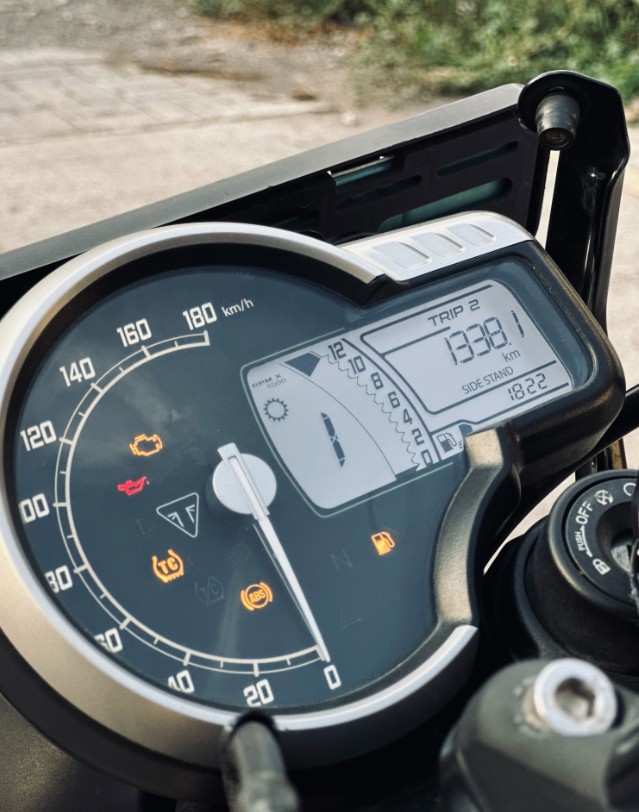
- Instrument Cluster: For the instrument cluster, the Triumph Speed 400 comes with a semi-digital display, combining an analogue-style tachometer with a digital screen. It provides important information such as speed, fuel level, gear position, trip information, and other riding data. The bike also supports Bluetooth connectivity and smartphone connectivity, while turn-by-turn navigation is available through the connected system, making it more convenient for longer rides.
- USB Charging: The Speed 400 features a convenient USB Type-C charging socket near the instrument cluster, allowing riders to charge their devices easily while on the move.
- Torque-Assist Clutch: Reduces lever pull effort in traffic and prevents rear-wheel hop during aggressive downshifts
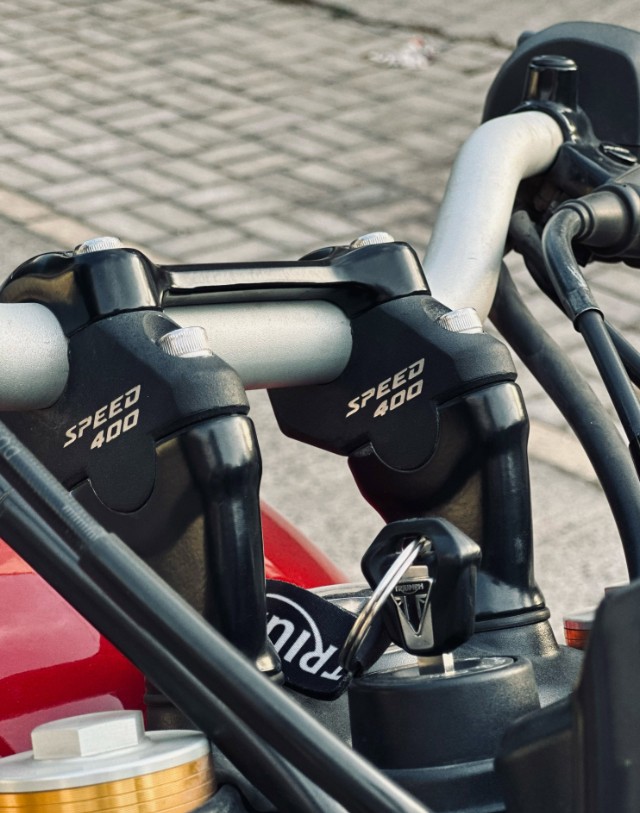
- Key Type: The physical metal key with an integrated immobilizer chip offers simple and effective security, helping prevent unauthorized starting while keeping the convenience of a traditional key.
The Triumph Speed 400 comes with an engine immobilizer for added security. A transponder chip in the key communicates with the bike’s security system, allowing the engine to start only when the correct key is recognized. This helps prevent unauthorized starting, even if someone has a basic duplicate key. A blinking security indicator also provides a visible sign that the system is active when the ignition is switched off. If you lose your key, you’ll need to contact an authorized Triumph service centre to arrange a replacement key and, if required, have it programmed to the immobilizer.
9. Riding Comfort & Practicality
Coming to comfort, I found the Triumph Speed 400 to be quite comfortable, with no noticeable wrist or back pain during the ride. The riding position feels relaxed and suitable for everyday use. However, pillion comfort is a little less impressive. Compared to the previous model, the cushioning has been improved, as the earlier version had a relatively uncomfortable rear seat that could cause pain during longer rides. Based on the rider’s experience, the updated seat offers better cushioning, although the pillion may still feel some discomfort, especially on longer journeys
- Riding Position: The Triumph Speed 400 offers a sporty yet comfortable riding position, with a slightly forward-leaning stance that provides good control and confidence while riding.
- Seat Comfort: The Speed 400 has a natural, upright riding posture that keeps your back relatively relaxed, while the foot peg position gives your legs enough room to avoid feeling cramped. It suits a wide range of rider heights without feeling overly sporty or stretched out.
- Pillion Comfort: The rear seat offers decent room and cushioning for everyday two-up riding. It works well for a passenger on shorter and medium-distance rides, though taller passengers may find the space a little limited on longer journeys.
- Handlebar Position: The Speed 400 uses a well-placed handlebar that is easy to reach without stretching forward. It gives the rider a natural upright stance while still maintaining a slightly sporty feel.
- City Riding: The Speed 400 feels quick and responsive in urban conditions, with strong low-speed acceleration that makes it easy to move through traffic.
- Highway Riding: The Speed 400 performs well on highways, delivering smooth and effortless cruising in top gear. It has enough power to maintain pace comfortably and gives the rider useful acceleration when overtaking.
- Storage Space: The Speed 400 offers very limited onboard storage. There’s no practical under-seat compartment for everyday items; the available space is mainly reserved for the toolkit and owner’s manual.
10. Bike Dimensions & Weight
| SL.NO | DESCRIPTION | DETAILS |
| 1 | Length | 2,056 mm (80.9 inches) |
| 2 | Width | 829 mm (82.9 cm) |
| 3 | Height | 803 mm (31.6 inches) |
| 4 | Wheelbase | 1,386 mm |
| 5 | Ground Clearance | 164 mm |
| 6 | Seat Height | 803 mm |
| 7 | Kerb Weight | 179 kg |
Keep in Mind:
- Wheel base – The distance between the front wheel’s contact point and the rear wheel’s contact point
- Kerb Weight – Kerb weight means the weight of a vehicle when it is ready to ride, including essential fluids like engine oil, coolant, and fuel, but without the rider or luggage
11. Suspension Details
Coming to the suspension setup, the Triumph Speed 400 gets 43 mm upside-down (USD) Big Piston front forks, which give the bike a planted and controlled feel, especially when riding through corners or over uneven roads. The front suspension offers around 130–140 mm of travel, while at the rear, it uses a gas-charged mono shock with around 120 mm of travel.
The gas mono shock rear suspension simply means the bike has one rear shock absorber filled with N2 gas to improve suspension performance.
10. Wheels & Tyres
Tyre Type: Tubeless
| SL NO | DESCRIPTION | SPECIFICATION |
| 1 | Front Wheel Size | 17 x 3 in (diameter: 431.8 mm / 17 inches) |
| 2 | Rear Wheel Size | 17 x 4 in (diameter: 431.8 mm / 17 inches) |
| 3 | Front Tyre Size | 110/80 R17 |
| 4 | Rear Tyre Size | 150/70 R17 |
14. Service Details
Coming to the first service, the Triumph Speed 400’s first service has been completed, costing around ₹2,800. The service included an engine oil change, oil filter replacement, chain lubrication, air filter cleaning, and an overall general inspection with necessary tightening and checks. In terms of ownership costs, the bike feels premium, but its maintenance and spare parts may be relatively expensive compared to some other motorcycles in this segment. The owner also felt that the first service cost was slightly on the higher side. However, considering its engine performance, power, and overall premium feel, the owner feels the bike offers good value for its approximately ₹3 lakh budget.
Maintenance on the Triumph Speed 400 is relatively infrequent compared with many motorcycles in its class. After the initial 1,000-km or 45-day service, the bike follows a 16,000-km or 12-month service cycle. The longer intervals for components such as the air filter, spark plug, and valve clearance at 32,000 km help keep scheduled maintenance spaced out, while coolant replacement is specified at 64,000 km.
15. Warranty
The Speed 400 gets a comprehensive 10-year warranty package in India, with Triumph covering the motorcycle under a 5-year standard warranty followed by another 5 years of extended coverage, offered without an additional warranty fee.
16. Overall Rating
| Sl. No | DESCRIPTION | RATING |
| 1 | Engine | ⭐⭐⭐⭐ |
| 2 | Acceleration | ⭐⭐⭐⭐ |
| 3 | Mileage | ⭐⭐⭐ |
| 4 | Price | ⭐⭐⭐ |
| 5 | Riding comfort | ⭐⭐⭐⭐ |
| 6 | Suspension | ⭐⭐⭐ |
| 7 | Brakes | ⭐⭐⭐⭐ |
| 8 | Safety | ⭐⭐⭐⭐ |
| 9 | Build Quality | ⭐⭐⭐⭐ |
| 10 | Features | ⭐⭐⭐⭐ |
More:
2025 Triumph Speed Twin 900 Review: What’s New & Is It Worth the Upgrade?