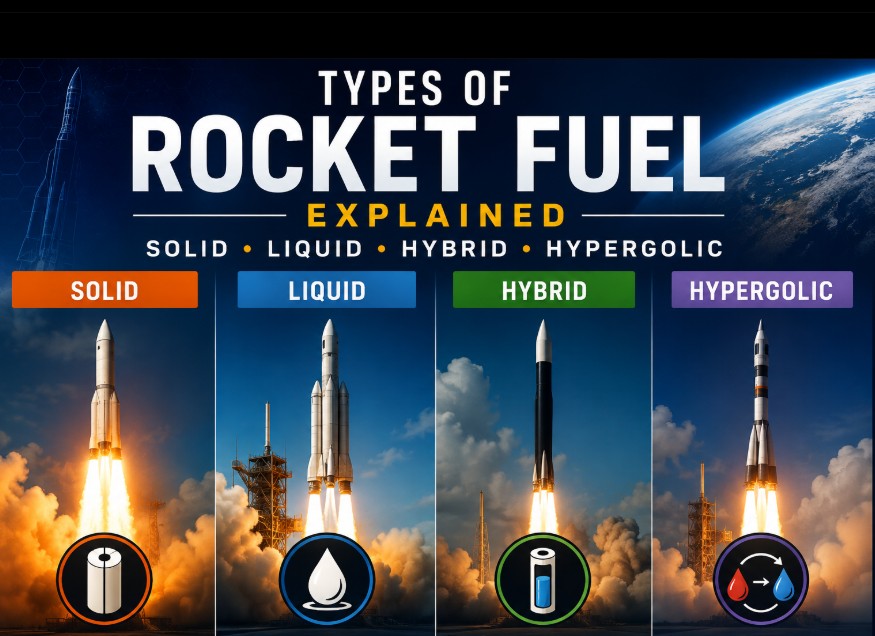
Types of Rocket Fuel Explained: 4 Types (Solid, Liquid, Hybrid & Hypergolic)
What is rocket fuel, exactly? Rocket fuel isn’t one substance. It’s part of a propellant system: a fuel plus an oxidizer. A car engine pulls oxygen straight from the air. Rockets can’t do that. They fly through the vacuum of space, so they have to carry their own oxygen supply….
What is rocket fuel, exactly?
Rocket fuel isn’t one substance. It’s part of a propellant system: a fuel plus an oxidizer.
A car engine pulls oxygen straight from the air. Rockets can’t do that. They fly through the vacuum of space, so they have to carry their own oxygen supply. That’s the whole reason you need a guide like this one, types of rocket fuel explained side by side, because each option solves that oxygen problem differently.
The rocket fuel is the chemical substance burned to produce thrust. The oxidizer is what lets that fuel combust, since there’s no oxygen available at altitude or in space.
Engineers call this fuel-plus-oxidizer combo a propellant. And the type you choose shapes a rocket’s thrust, efficiency, cost, storage needs, and even how it gets regulated by aviation and space authorities in the U.S. and Europe.
Table of Contents
The main types of rocket fuel
1. Solid rocket fuel
Solid fuel is exactly what it sounds like: a rubbery, pre-mixed propellant packed into the rocket’s motor casing. Think of it as a controlled explosive that burns from the inside out.
How it works: The fuel (often a synthetic rubber like HTPB) gets mixed with an oxidizer (commonly ammonium perchlorate) and powdered aluminum, then cast into a solid shape inside the casing. Once it’s lit, it burns until the fuel runs out. No throttling, no shutting it off mid-flight.
Where you’ll see it:
NASA’s Space Shuttle Solid Rocket Boosters (SRBs)
The strap-on boosters on ULA’s Atlas V and Vulcan rockets
Europe’s Ariane 6, which uses solid boosters (P120C) built by ArianeGroup and Avio in Italy
Pros:
Simple design, fewer moving parts
Long shelf life. Can sit stored for years, ready to launch fast
High thrust, good for getting heavy rockets off the pad
Cons:
Can’t be shut down or throttled once ignited
Less fuel-efficient than liquid alternatives
Handling demands strict safety protocols. This stuff is explosive
Common mistake: people assume solid fuel is cheaper across the board. It’s cheaper to manufacture and store, sure. But its lower efficiency means it’s usually paired with liquid-fueled core stages instead of flying solo on orbital missions.
2. Liquid rocket fuel:
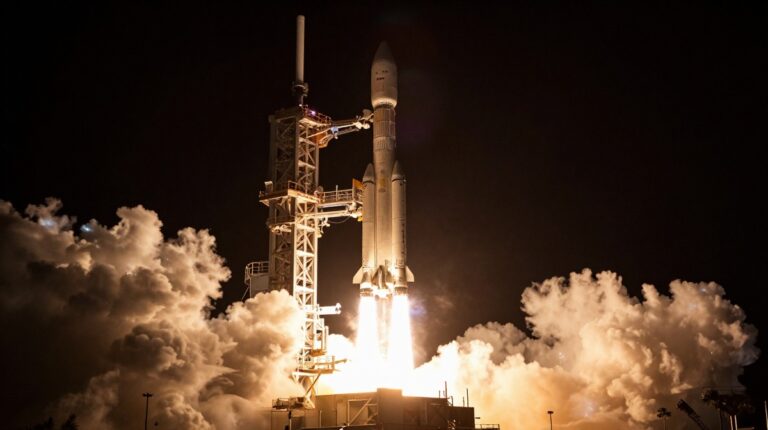
Liquid propellants form the backbone of most modern orbital rockets, such as SpaceX’s Falcon 9 and NASA’s SLS core stage.
How it works : Liquid fuel and liquid oxidizer are stored in separate tanks , then pumped into a combustion chamber where they mix and burn . Since you can control the flow , liquid engines can throttle , shut down and sometimes restart mid – flight . That ‘s a big advantage for precise maneuvers and landing burns .
Common liquid propellant combinations:
| Fuel | Oxidizer | Used By | Notable Trait |
| RP-1 (refined kerosene) | Liquid oxygen (LOX) | SpaceX Falcon 9, ULA Atlas V | Stable, easy to store, moderate efficiency |
| Liquid hydrogen (LH2) | Liquid oxygen (LOX) | NASA SLS, ESA Ariane 5/6 | Highest efficiency, but hard to store (-253°C) |
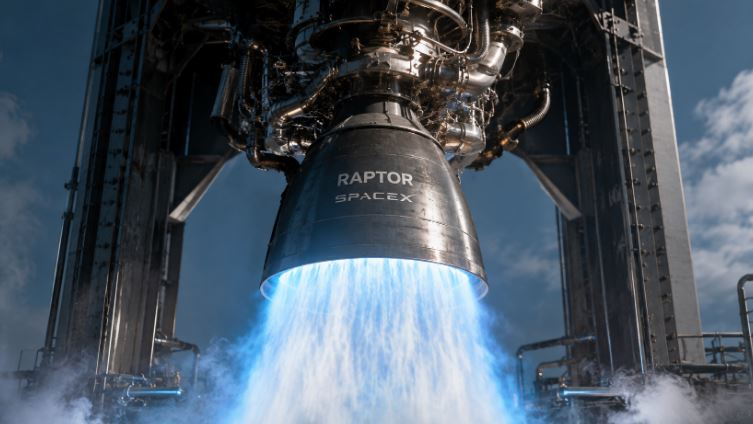
| Methane (CH4) | Liquid oxygen (LOX) | SpaceX Starship (Raptor engines) | Cleaner burn, ideal for reusability and future Mars missions |
Quick answer: liquid rocket fuel beats solid fuel on efficiency and controllability because you can adjust the flow rate in real time. That lets engines throttle, shut off, and sometimes restart during flight.
Pros:
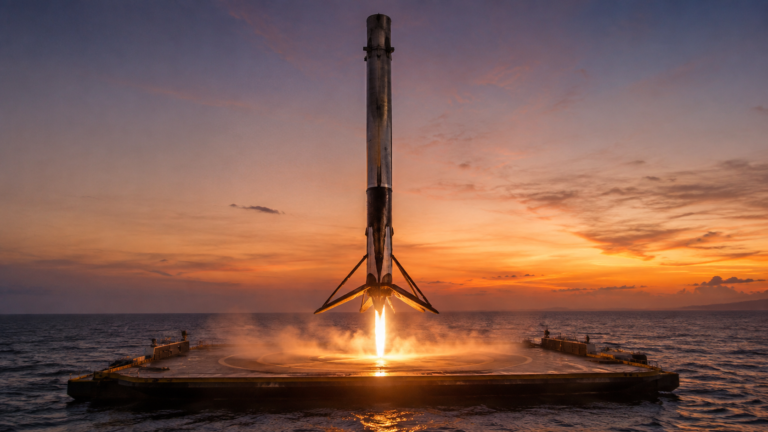
Engines throttle and restart. Essential for reusable rockets like Falcon 9’s landing burns
Higher specific impulse, generally (a measure of fuel efficiency)
Easier to fine-tune trajectories
Cons:
Complex plumbing, pumps, and valves mean more ways for something to fail
Cryogenic fuels like liquid hydrogen need extreme cold storage and boil off over time
Higher upfront engineering and testing costs
3. Hybrid rocket fuel
Hybrid propulsion combines a solid fuel with a liquid or gaseous oxidizer. The goal: solid fuel’s safety with some of liquid’s control.
How it works: The fuel (often solid HTPB rubber) sits in the motor casing. The oxidizer (commonly nitrous oxide) stays separate until ignition, when it gets injected in. Since you can adjust that oxidizer flow, hybrid engines can throttle or shut down, something pure solid motors can’t do.
Where you’ll see it:
Virgin Galactic’s SpaceShipTwo, flying suborbital tourist flights from the U.S.
University and research rocket programs across the U.S. and Europe, where hybrids are used for their relative safety during testing.
Pros:
safer to handle than solid propellants, as fuel and oxidizer are separate can throttle and shut down, unlike solid motors lower cost for small scale and experimental launches
Cons:
historically less efficient than liquid bipropellant systems combustion can burn unevenly, causing performance inconsistencies not as proven at large orbital scale as liquid or solid systems
4. Hypergolic and storable propellants
Some missions need an engine that ignites instantly, every time, with no separate ignition source. That’s hypergolic propellants.
Hypergolic fuels ignite the moment they touch their oxidizer. No spark, no igniter needed. A common pairing is monomethylhydrazine (MMH) fuel with dinitrogen tetroxide (N2O4) as the oxidizer.
Where you’ll see it:
Spacecraft maneuvering thrusters, including those on the International Space Station
NASA’s Apollo Lunar Module, which used hypergolics because reliability mattered more than efficiency when there was zero room for ignition failure
European satellites and ESA’s upper-stage engines, which often lean on hypergolics for in-orbit adjustments
Pros:
Ignition you can count on. Critical for life-or-death maneuvers like lunar ascent or docking
Storable at room temperature, unlike cryogenic fuels
Cons:
Toxic and corrosive. Needs specialized handling and safety gear
Strict regulatory oversight in both the U.S. (EPA, OSHA) and Europe (REACH chemical regulations)
Rocket fuel regulations in the USA and Europe
Rocket propellants involve hazardous chemicals, so both regions keep close watch.
NASA explains that rocket propulsion uses different propellant systems, including liquid and solid rockets, while hybrid systems combine characteristics of both. Hypergolic propellants can ignite when their components come into contact. NASA — Rocket Propulsion and Propellants
Which rocket fuel is best? Depends on the mission
There’s no single best rocket fuel. The right choice depends on what the mission needs.
1. Need raw power to escape Earth’s gravity fast? Solid boosters or RP-1/LOX liquid engines deliver strong initial thrust.
2. Need maximum efficiency for deep space or heavy payloads? Liquid hydrogen and liquid oxygen give you the best performance per kilogram of fuel.
3. Need reusability and lower long-term costs? Methane-based engines, like SpaceX’s Raptor, get built with reusability and future Mars refueling in mind.
4. Need guaranteed ignition for critical maneuvers? Hypergolic propellants stay the gold standard for reliability, handling risks and all.
More:
Skyroot Vikram-1 Launch: Inside India’s First Private Orbital Rocket
What is the most efficient rocket fuel?
Liquid hydrogen combined with liquid oxygen is generally considered the most efficient rocket propellant by specific impulse, though it’s harder to store than kerosene-based fuels due to its extremely low boiling point.
Why don’t all rockets use the same fuel?
Different missions prioritize different things — thrust, cost, storage life, controllability, or reliability — so engineers select the propellant combination that best matches the mission’s specific requirements.
Is rocket fuel the same as jet fuel?
No. Jet fuel burns using oxygen from the atmosphere, while rocket fuel must be paired with an onboard oxidizer since rockets often operate where there’s no air to draw from.
What fuel does SpaceX use?
SpaceX’s Falcon 9 uses RP-1 (refined kerosene) and liquid oxygen, while its newer Starship uses methane and liquid oxygen, chosen partly for its suitability in reusable engine designs.