
Introduction
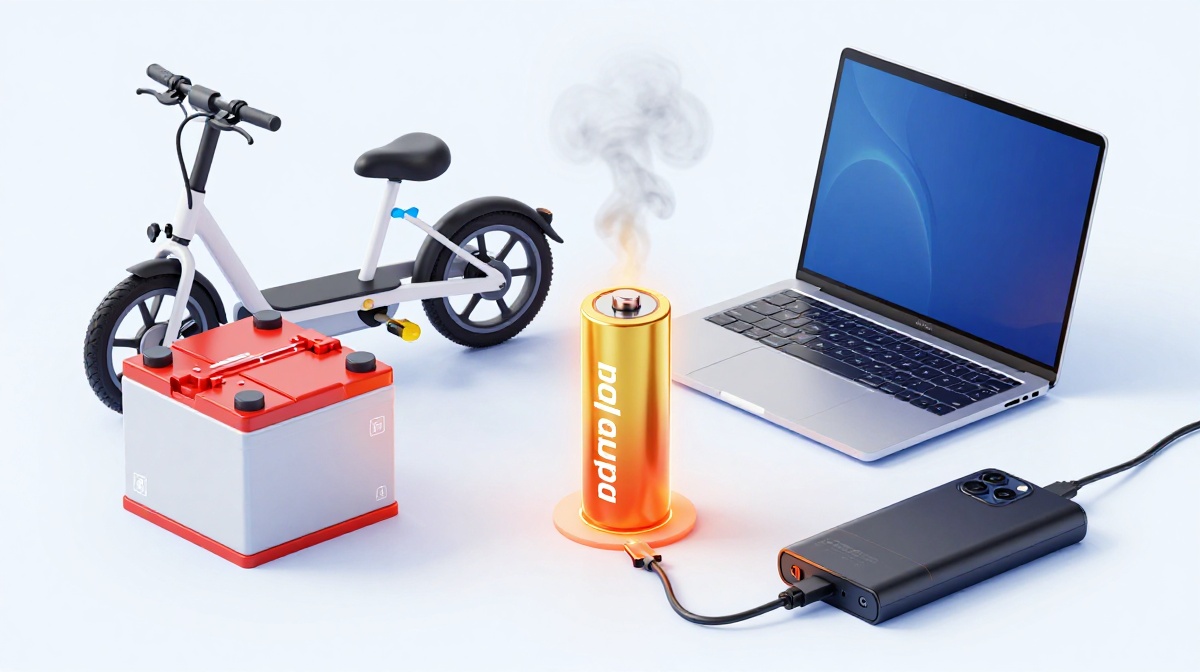
A phone charging on a nightstand. An e-bike battery left plugged in overnight. A power bank tossed into a backpack beside a laptop. They all look harmless, until something goes wrong.
Lithium-ion battery fires are becoming a growing fire safety concern across the United States and Europe. Fire crews in New York City respond to hundreds of lithium battery fires each year. Across Europe, consumer safety agencies continue recalling overheating batteries used in e-bikes, scooters, power tools, and other everyday devices.
These fires don’t act like ordinary fires. They can ignite without much warning, burn at extremely high temperatures, spread quickly, and even flare up again hours or days after the flames seem to be out.
If you own an e-bike, charge your phone overnight, or rely on battery-powered equipment at work, you should know what causes these fires, how to spot the warning signs early, what to do if one starts, and how to reduce the risk before it becomes a serious problem.
Table of Contents
What causes lithium-ion battery fires?
Lithium-ion batteries pack a large amount of energy into a compact space. If something damages the battery’s internal structure, that stored energy can escape rapidly through a process called thermal runaway.
Common causes include:
- Physical damage, such as dropping, crushing, or puncturing the battery
- Manufacturing defects that create internal short circuits
- Overcharging, especially with counterfeit or incompatible chargers
- Exposure to extreme heat, like leaving a device inside a hot vehicle
- Water damage that causes corrosion and internal short circuits
- Poor-quality manufacturing, which is common with uncertified e-bike and scooter conversion kits
Warning signs before a battery fire starts
Most lithium-ion batteries give you some warning before they fail. Catching those signs early can prevent major damage.
Watch for:
- Swelling or bulging of the battery casing
- Unusual heat while charging or during normal use
- Hissing or popping sounds
- A sweet or sharp chemical odor
- Discoloration or visible corrosion
- Slow charging or unusually fast battery drain
If you notice any of these signs, stop using the device right away. Unplug it if it’s safe to do so, move it away from anything flammable, and place it outdoors if possible until it can be inspected or disposed of safely.
Where lithium-ion battery fires happen most
1. E-bikes and e-scooters
This is currently the highest-risk category in both the United States and Europe.
New York City has reported multiple fatal fires linked to e-bike and e-scooter batteries, leading to restrictions on the sale of uncertified replacement batteries. Cities such as London and Amsterdam have also issued safety warnings after apartment fires were traced back to indoor charging of micromobility batteries.
The biggest risk comes from aftermarket or replacement batteries that don’t meet UL 2849 standards in the U.S. or EN 15194 standards in Europe.
2. Home charging stations
Phones, laptops, tablets, and cordless power tools are part of daily life, but charging them overnight or leaving them plugged in for long periods increases the risk.
The danger grows when devices sit on beds, sofas, blankets, or other soft surfaces that trap heat and block airflow.
3. Waste and recycling facilities
Lithium-ion batteries thrown into household trash or regular recycling bins are causing more fires at waste processing facilities across the U.S. and Europe.
Sorting and crushing equipment can easily puncture damaged batteries, triggering thermal runaway inside the machinery. That’s one reason recycling centers continue urging people to use dedicated battery collection points.
4. Electric vehicles
Electric vehicle battery fires are still uncommon compared with gasoline vehicle fires. Even so, they demand a very different response once they happen.
EV battery fires burn hotter, can last much longer, and often require significantly more water or specialized firefighting methods before the battery cools completely. Fire departments across both regions now include these incidents as part of their regular training.
How to prevent lithium-ion battery fires
Preventing a lithium-ion battery fire comes down to three things: buying safe products, charging them the right way, and storing them properly. A few simple habits can make a big difference.
Buying safe batteries
- Choose devices and batteries that meet recognized safety standards:
- UL 2271 / UL 2849 (U.S. standards for e-bike batteries and systems)
- CE marking with EN 62133 (EU standard for portable battery safety)
- Avoid cheap, unbranded replacement batteries sold through third-party marketplaces.
- Use the charger supplied by the manufacturer. Generic chargers might not match the battery’s charging requirements and can increase the risk of failure.
Charging safely
- Charge batteries on a hard, flat, non-flammable surface.
- Don’t leave high-risk devices, especially e-bikes and e-scooters, charging overnight or when nobody is around.
- Unplug the charger once the battery reaches full charge instead of leaving it connected for long periods.
- Keep charging stations away from doorways, hallways, and emergency exits. New York City’s fire code and several European fire safety guidelines now recommend this because a battery fire can block escape routes within minutes.
Storage best practices
- Store batteries away from direct sunlight and other heat sources.
- If you’re storing a spare battery for several weeks or months, keep it at about 40% to 60% charge instead of fully charged.
- Don’t stack damaged batteries or store them with other combustible materials.
Disposal
- Never throw lithium-ion batteries into household trash or standard recycling bins.
- Take them to designated battery recycling collection points. In the U.S., retailers such as Best Buy and Home Depot accept many used batteries. Across Europe, municipal e-waste collection programs under the WEEE Directive provide approved disposal options.
Common mistakes people make
| Mistake | Why it’s risky | Better approach |
|---|---|---|
| Buying cheap replacement e-bike batteries | Many aren’t certified and often have poor internal wiring | Buy OEM or certified replacement batteries only |
| Charging devices under pillows or blankets | Heat builds up because air can’t circulate | Charge on a hard, open surface |
| Ignoring a swollen battery | Swelling usually means the battery has started failing internally | Stop using it and dispose of it safely as soon as possible |
| Using damaged chargers or charging cables | Damaged cables increase the chance of short circuits | Replace worn or damaged cables immediately |
| Leaving batteries in hot cars or garages | High temperatures speed up battery degradation | Store batteries in a cool, stable environment |
What to do if a lithium-ion battery fire starts
A lithium-ion battery fire needs a different response than a typical household fire because the battery can continue generating heat even after the flames appear to be out.
- Leave the area immediately. These fires spread quickly and can reignite without warning.
- Call emergency services right away. Dial 911 in the United States or 112 in the European Union. Don’t try to put out a large battery fire on your own.
- If the fire is still small and you’ve caught it early, a Class D fire extinguisher or large amounts of water may help cool the battery. Water isn’t officially recommended for every type of lithium battery fire, so always follow guidance from your local fire authority.
- Don’t rely only on a standard CO₂ or foam fire extinguisher. It may knock down the visible flames for a short time, but it usually won’t stop the battery from reigniting.
- Stay clear of the battery even after the fire appears to be over. Reignition can happen hours later if the battery still contains enough heat.
Commercial and business considerations
Businesses that handle lithium-ion batteries, including retailers, e-bike shops, warehouses, and recycling facilities, are facing tighter safety requirements every year.
- In the United States, OSHA and local fire regulations, including New York City’s Local Laws 39 and 40, set rules for battery storage, charging, and the sale of micromobility batteries.
- In the European Union, Battery Regulation (EU 2023/1542) introduces stricter requirements for battery safety, labeling, and end-of-life management across industrial and portable batteries.
- Insurance companies are increasingly asking businesses to document battery charging procedures and storage practices before providing coverage for fire-related claims.
Fire-rated storage cabinets, regular staff training, and clear charging policies help reduce risk and demonstrate that battery safety is being taken seriously.