10 Tips for Increasing EV Battery Life That Actually Work
Table of Contents
1. Understand the 80% Rule for Increasing EV Battery Life
This one changed everything for me. The 80% rule for EVs basically says: stop charging at 80%, not 100%. My phone taught me this lesson first (RIP, old iPhone battery), and it turns out lithium-ion batteries in cars behave the same way.
Here’s the simple version — I’m not going to bore you with chemistry:
- Charging past 80% stresses the battery cells.
- The last 20% takes way longer to charge anyway.
- Daily 100% charges wear the battery down faster over time.
I set my charging limit to 80% in my car’s app, and I only go to 100% before a genuine road trip. That’s it. That’s the whole tip, and it’s one of the best tips increasing EV battery life you’ll find anywhere.
2. Avoid Frequent Fast Charging
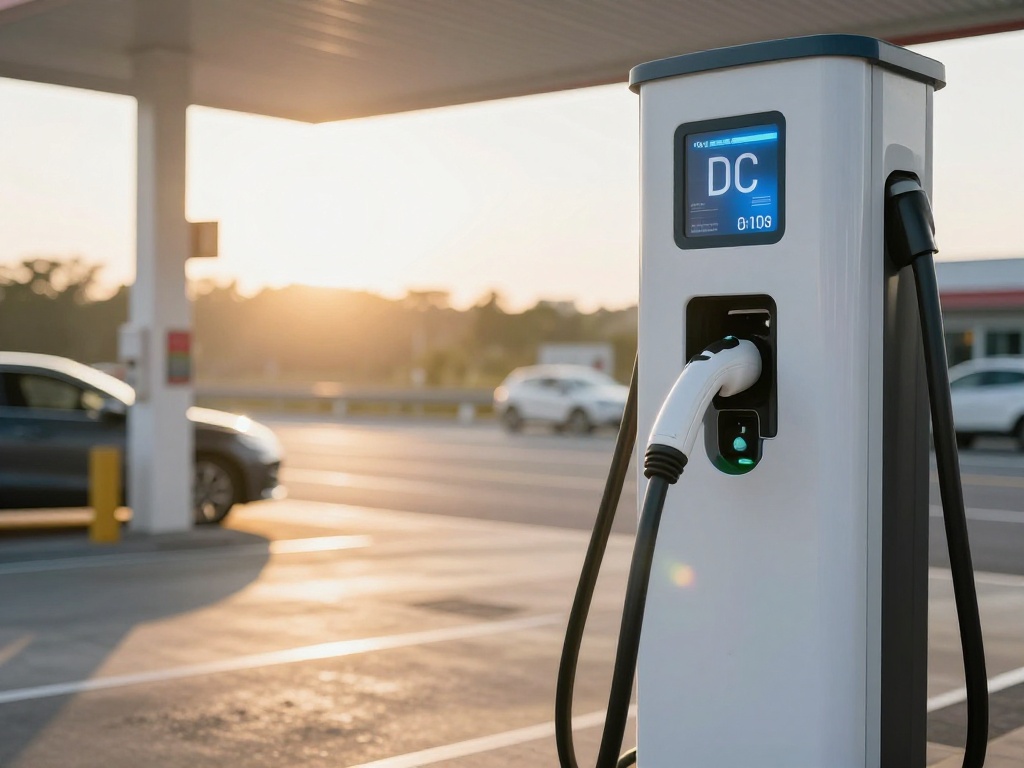
I get it. DC fast chargers are addictive. Fifteen minutes and you’re back to 70%? Magic. But here’s the catch — fast charging generates heat, and heat is basically enemy #1 for battery longevity.
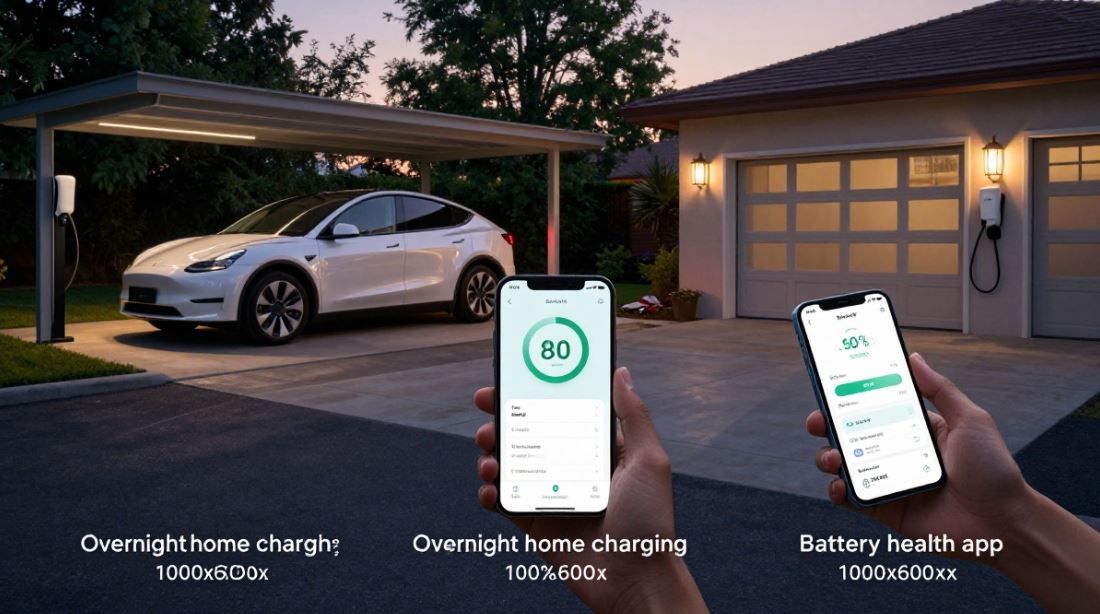
I used to fast-charge almost every day during my commute-heavy phase. Big mistake. My battery health app started showing degradation faster than friends of mine who charged at home overnight.
3. Don’t Let It Sit at 0% or 100%
Ever left your phone plugged in overnight at 100% for weeks? Same idea here, just bigger stakes.
- Sitting at 100% for long periods stresses the cells.
- Sitting at 0% (or near it) for days can cause irreversible damage.
I once let my car sit at 8% for four days while I was traveling. Not proud of it. The battery took a small hit, and I learned my lesson — now I keep it between 20% and 80% for daily living, which honestly, is one of the simplest tips increasing EV battery life you can apply starting today.
4. Park in the Shade (Seriously)
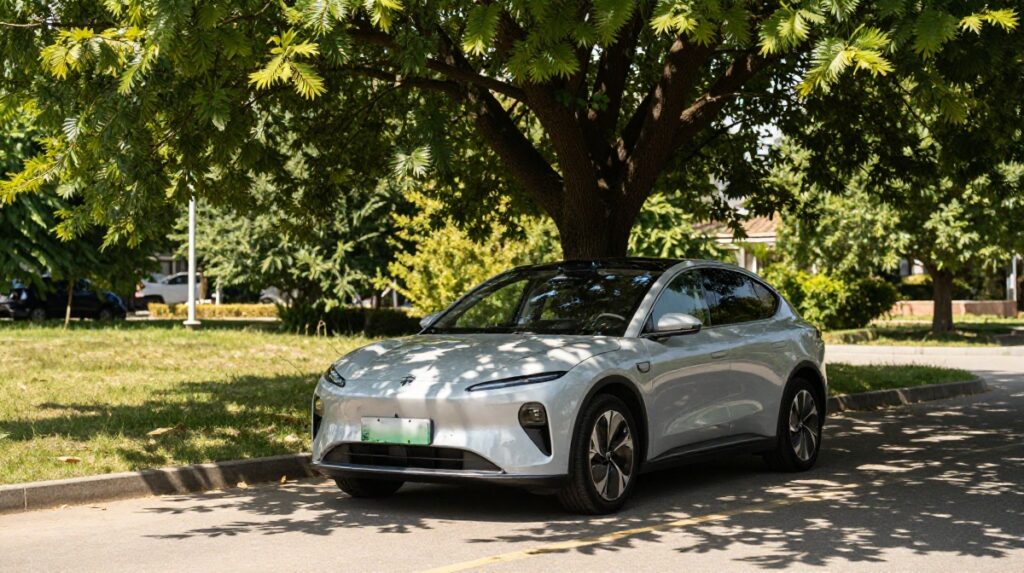
I live somewhere that gets brutally hot in summer, and I learned this one the hard way. Extreme heat degrades EV batteries faster than almost anything else. Extreme cold isn’t great either, but heat is the real villain.
Quick things that actually help:
- Park in shade or a garage whenever you can.
- Use a windshield sunshade (sounds silly, works great).
- Avoid charging in direct sun during peak afternoon heat if you can help it.
5. Precondition Before You Drive
Most EVs let you “precondition” — warming up or cooling the battery before you unplug and drive. I ignored this feature for almost a year because I didn’t understand what it did. Rookie mistake.
Preconditioning gets the battery to an ideal temperature before use, which reduces strain, especially in winter. My car’s app lets me schedule it 15 minutes before I leave for work. Genuinely one of those “why didn’t I do this sooner” features.
6. Charge Slowly When You Can
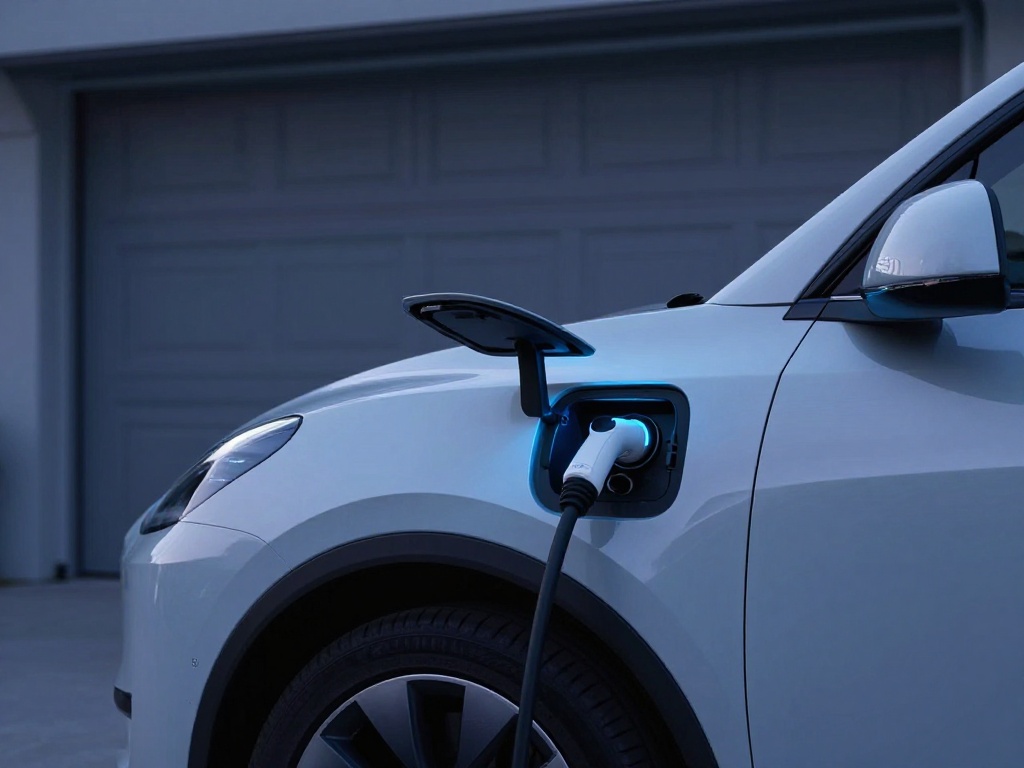
Slow and steady really does win here. Level 1 or Level 2 home charging is gentler on your battery than DC fast charging. I plug in every night at home, and my car charges slowly overnight to my 80% limit.
Think of it like slow-cooking versus microwaving. Both get you food, but one is easier on the ingredients.
7. Watch Your Driving Habits
This surprised me. How you drive actually affects battery longevity, not just range.
- Aggressive acceleration draws more current, generating more heat.
- Smooth, steady driving is gentler on the battery.
- Regenerative braking (if your car has adjustable levels) helps recapture energy efficiently.
I’m not saying drive like your grandma every day, but easing off the aggressive starts has genuinely helped my range hold steady.
8. Keep Firmware Updated
This one’s easy to forget. Manufacturers regularly push software updates that improve battery management systems. I ignored an update notification for two months once because I was “too busy,” and I later found out it included battery optimization improvements. Oops.
Simple fix: update your car’s software as soon as it’s available. It’s free, it’s easy, and it genuinely helps.
9. Store It Right for Long Trips Away
Going on vacation for two weeks? Don’t just leave your EV plugged in at 100% or sitting at 5% in long-term parking.
- Charge to around 50-60% before storing it for more than a week.
- Park somewhere temperature-controlled if possible.
- If it’s plugged in, make sure charge limits are set correctly so it doesn’t sit at 100% the whole time.
I learned this after a two-week trip where I came back to a noticeably warm battery and a slightly lower range than expected. Lesson learned.
10. Get Regular Battery Health Checks
Most EVs have some kind of battery health report, either built into the car’s system or through a manufacturer app. Some third-party tools (like Recurrent for certain EV brands) also track battery degradation over time.
I check mine every few months. It takes two minutes, and it gives me peace of mind — plus it helps me catch any unusual degradation early, before it becomes an expensive problem.
More on EV :
Why Electric Vehicles Don’t Need Gearboxes?
How Long Do Car Batteries Last? 5 Honest Truths I Learned the Hard Way
Hummer EV Torque Explained: What 11,500 lb-ft Actually Means
What Is Regenerative Braking? Tesla’s One-Pedal System Explained